

Think Florida’s mild cooler months are a free pass for skipping skincare adjustments? Think again. While the state avoids icy winds and snowdrifts, its unique climate creates stealthy challenges that leave many residents battling dryness, irritation, and unexpected sensitivity.
Unlike northern regions with extreme cold, Florida’s seasonal shifts bring subtle yet impactful changes. Lower humidity levels team up with relentless air conditioning to rob moisture from your body’s largest organ. The result? A compromised protective barrier that struggles to retain hydration.
Dermatologists stress that year-round sun exposure intensifies these effects. UV rays reflecting off water and sand combine with environmental stressors, accelerating moisture loss. Even slight temperature dips alter sebum production, leaving complexions parched despite the thermometer rarely dropping below 60°F.
Key Takeaways
- Florida’s climate combines low humidity and indoor AC to dehydrate protective layers
- Subtle seasonal changes demand specialized moisturizing strategies
- UV exposure remains high, requiring continued sun protection
- Barrier repair ingredients outperform basic lotions for lasting relief
- Hydration habits should adapt to both outdoor and indoor environments
This guide reveals science-backed methods to combat seasonal dehydration without heavy creams. Discover how to maintain your glow through holiday gatherings, beach days, and everything in between – because radiant health shouldn’t take a vacation.
Nurturing Your Skin in a Mild Yet Dry Florida Winter
While beachgoers relish Florida’s cooler breezes, the state’s seasonal climate quietly wages war on your moisture reserves. Those mild temperatures? They’re accomplices in dehydration, partnering with humidity levels that plummet to 40% – a stark drop from summer’s 70% saturation.
Florida’s Unique Winter Climate
Florida’s weather creates a stealthy moisture crisis. Outdoor humidity plummets as northerly winds sweep through the peninsula, while indoor air conditioning maintains a year-round stranglehold on environmental dew points. This dual assault leaves your outer layer mimicking the Sahara – parched and struggling to self-regulate.
Indoor Air Conditioning and Reduced Humidity
Your thermostat isn’t the villain here – it’s the indoor air systems. Central cooling strips moisture from circulated air, creating microclimates drier than the Mojave Desert. Dermatologists note this artificially arid environment triggers specialized skincare adjustments for barrier repair.
“Skin doesn’t know it’s winter – it reacts to humidity vacuums,” says Dr. Alicia Rountree, a board-certified dermatologist. “Floridians need hybrid strategies for AC-dominated spaces and deceptively dry outdoors.”
The solution? Combat climate whiplash with humectants like glycerin paired with ceramides. These dynamic duos quench parched patches without suffocating pores – a must for navigating Florida’s masquerading months.
Understanding Winter Skin Problems in Florida
Breezy days mask the reality: Florida’s cooler season is a stealthy adversary to your protective barrier. The combination of environmental shifts and indoor climate controls creates a perfect storm for compromised hydration. Three primary issues dominate during this period – persistent dryness, UV-related damage, and reactive conditions like eczema.
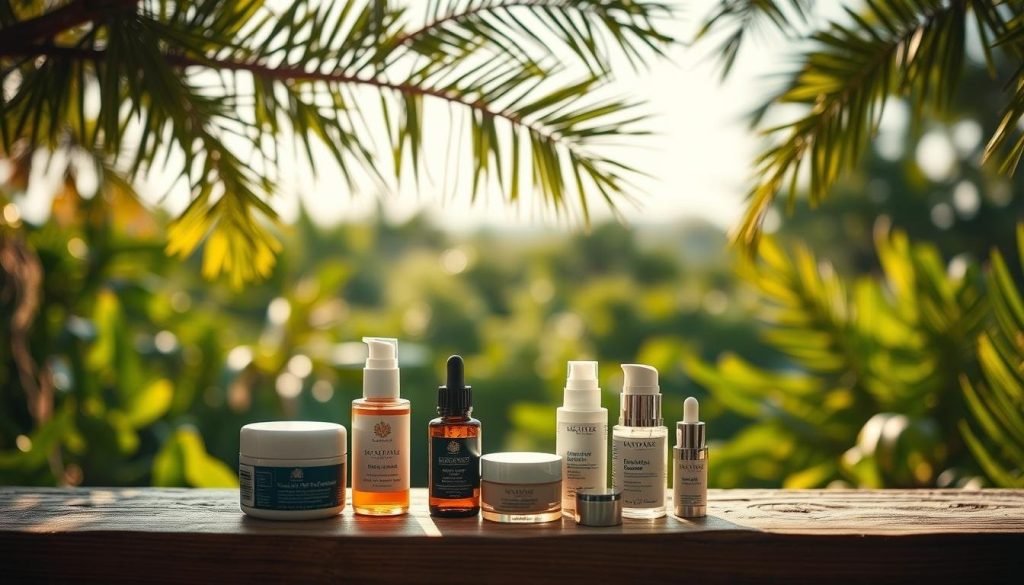
Common Concerns: Dry Skin, Sun Damage, and Eczema
When humidity drops, moisture evaporates faster than sunscreen bottles empty at beach picnics. Dryness tops the list of complaints, with many reporting visible flaking and tightness. Indoor AC systems worsen dehydration by creating microclimates 30% drier than outdoor air.
| Concern | Trigger | Solution |
|---|---|---|
| Barrier dehydration | Low humidity + AC | Ceramide-rich creams |
| UV damage | Year-round sun | SPF 30+ hydration |
| Eczema flare-ups | Air dryness | Colloidal oatmeal |
Sun damage lingers because Floridians often skip SPF when temps dip below 80°F. UV rays remain potent enough to break down collagen in under 15 minutes. “We see more photoaging in December than August,” notes dermatologist Lisa Hamilton. Eczema sufferers face unique challenges as arid conditions trigger inflammatory responses.
Chapped lips and heightened sensitivity round out the roster of seasonal complaints. Proactive care using glycerin-based balms and non-comedogenic formulas prevents the spiral from mild irritation to cracked patches. Early intervention slashes healing time by 40% compared to delayed treatments.
Daily Skincare Strategies and Professional Treatments
Crafting a resilient defense against environmental stressors requires both daily diligence and expert interventions. Balancing at-home routines with targeted treatments creates layered protection against moisture loss and UV damage.
Effective At-Home Skincare Routines
Morning starts with a hydrating cleanser followed by a ceramide-infused moisturizer. Lock in hydration with serums containing hyaluronic acid – they hold 1,000 times their weight in water. Evening rituals demand richer formulas to repair your barrier overnight.
| Time | Step | Key Ingredients |
|---|---|---|
| AM | SPF 30 sunscreen | Zinc oxide, glycerin |
| PM | Nourishing cream | Shea butter, squalane |
Integrating Professional Solutions
Monthly treatments boost results dramatically. Hydrafacials replenish parched cells, while laser therapies address sun spots. “Combining in-office procedures with home care creates synergistic effects,” explains Miami dermatologist Dr. Elena Torres.
Lifestyle Adjustments and Ingredient Choices
Household tweaks matter as much as skincare products. Humidifiers combat AC-induced dryness – aim for 40-50% humidity. Choose clothing that breathes – scratchy fabrics aggravate sensitive skin. For lips, balms with petrolatum create an occlusive seal against moisture theft.
Smart ingredient selection separates effective routines from futile efforts. Petroleum jelly outperforms basic lotions for cracked areas. Lightweight oils like jojoba mimic skin’s natural lipids without clogging pores. Remember – consistency beats complexity in maintaining skin hydrated resilience.
Conclusion
Florida’s deceptively gentle climate demands year-round vigilance for maintaining a resilient complexion. While temperatures rarely plummet, the combination of dry air and indoor cooling systems creates unique hydration challenges. Prioritizing barrier-supporting ingredients and daily SPF remains critical throughout the season.
Consistency proves vital – adapt routines as humidity fluctuates between outdoor and indoor environments. For those battling stubborn dryness or eczema, early intervention prevents minor irritation from escalating. Track your complexion’s response to products, adjusting formulas when tightness or flaking emerges.
When at-home strategies fall short, consult a board-certified dermatologist for targeted solutions. Professional treatments address deeper concerns like UV damage while personalized guidance helps keep skin balanced during cooler months. Remember: radiant health thrives through proactive care and smart adjustments to Florida’s subtle seasonal shifts.
FAQ
How does Florida’s winter climate impact hydration levels?
While temperatures stay mild, lower humidity and indoor air conditioning can reduce moisture in the air. This combination often strips natural oils, leading to dryness or irritation even in a subtropical climate.
Can sunscreen still be necessary during cooler months here?
Yes. UV rays remain strong year-round in sunny regions. Daily broad-spectrum SPF 30+ is crucial to prevent sun damage, especially during outdoor activities like beach walks or golfing.
What ingredients help combat eczema flare-ups in drier conditions?
Look for ceramides, colloidal oatmeal, or shea butter in moisturizers. Brands like CeraVe or Aveeno offer formulas that reinforce the barrier while soothing sensitive areas without clogging pores.
Do humidifiers improve indoor air quality for skin health?
Absolutely. Adding moisture to heated or air-conditioned spaces helps balance humidity levels. Opt for cool-mist models to maintain a comfortable environment and reduce trans-epidermal water loss overnight.
How often should I exfoliate if my skin feels rough or flaky?
Limit physical scrubs to once weekly. Chemical exfoliants with lactic acid or PHAs gently remove dead cells without aggravating dryness. Always follow with a hydrating serum and occlusive cream.
Are professional treatments like facials safe during this season?
Yes, but choose hydrating options like hyaluronic acid infusions or LED therapy. Avoid aggressive peels or microdermabrasion if your barrier is compromised. Consult a dermatologist for personalized plans.
Why does my scalp get itchier despite Florida’s warmth?
Indoor heating and wind exposure can dehydrate the scalp. Use sulfate-free shampoos with squalane or jojoba oil, and consider leave-in conditioners to lock in moisture between washes.
Schedule your appointment with Dr. Khanna