
What if the fastest way to calm a flare isn’t a stronger cream, but spotting your trigger before it sparks?
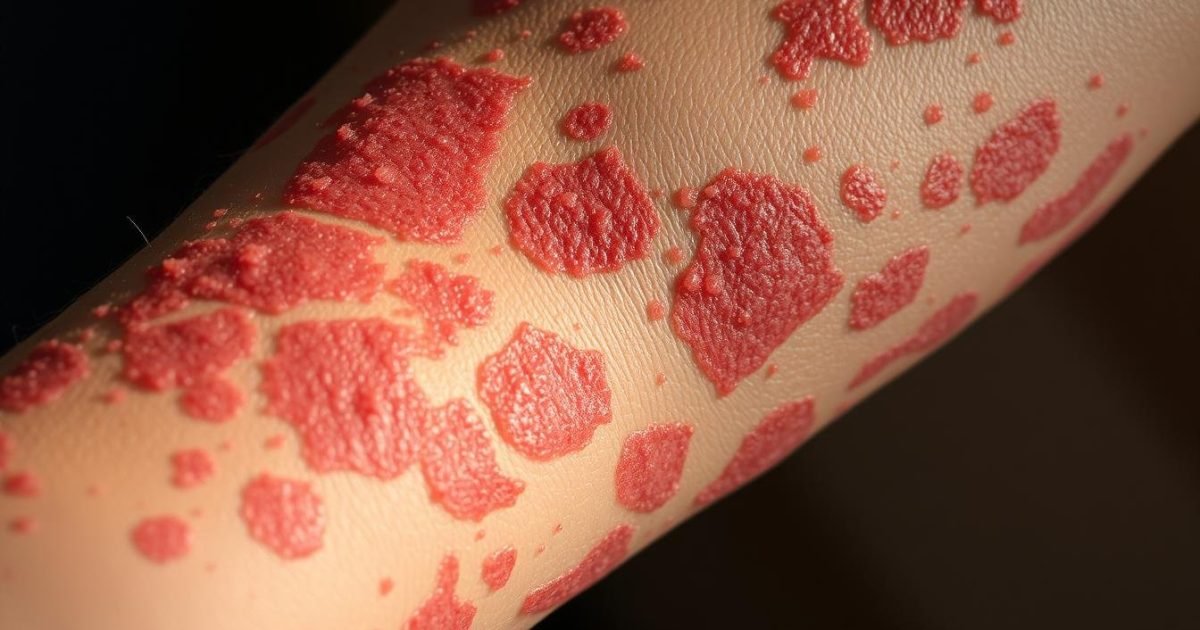
Psoriasis Flares are sudden worsenings of psoriasis symptoms caused by a trigger. In psoriasis, the immune system makes skin cells grow too fast. This leads to red, scaly plaques with itch and inflammation.
New patches may appear, and old ones can get thicker or crack. Common triggers include stress, infections, skin injury, and certain medicines. Cold and dry weather, sunburn, alcohol, and smoking also play a role.
A flare can start 10–14 days after a cut or 2–3 weeks after a new medication. It can also start 2–6 weeks after an infection. Knowing when a flare might start helps manage it better.
In this guide, you’ll learn how to manage psoriasis flares. You’ll learn to map your triggers, recognize early signs, and use treatments. Daily habits like moisturizing, using humidifiers, and avoiding sun are also important.
Don’t stop medicines without talking to your doctor. Seek care if you have severe pain, swelling, or fever. This could mean an infection.
By the end, you’ll have a clear plan for managing psoriasis flares. This plan will help you control your psoriasis better and have fewer setbacks.
Key Takeaways
- Psoriasis Flares are immune-driven surges that speed skin cell turnover and worsen plaques.
- Triggers include stress, infections, skin injury, certain medications, alcohol, smoking, and weather shifts.
- Flares often follow a timeline: 10–14 days after injury, 2–3 weeks after new drugs, 2–6 weeks after infections.
- Early signs—itch, new bumps, scaling—signal time to adjust care for faster psoriasis flare relief.
- Managing psoriasis flares blends treatments (topicals, systemic, biologics) with daily habits and stress control.
- Never stop prescribed therapy without guidance; seek care for severe pain, swelling, or fever.
- Consistent psoriasis flare management helps reduce frequency and intensity of psoriasis flare-ups.
What Are Psoriasis Flares?
Psoriasis flare-ups happen when the disease gets worse. This leads to more noticeable skin issues. Knowing what causes these flare-ups is key to managing them.
Definition of Psoriasis
Psoriasis is a long-term skin condition. It happens when the immune system works too fast. This makes skin cells grow too quickly, leading to thick, red patches.
It’s not contagious. You can’t catch it from touching someone else’s rash. Knowing this helps fight the stigma and manage flare-ups better.
Types of Psoriasis
There are many types of psoriasis, each causing different flare-ups:
- Plaque psoriasis: The most common, with thick, scaly patches on elbows, knees, scalp, and trunk.
- Guttate: Small spots that look like drops, often after a strep infection.
- Inverse: Smooth, shiny patches in skin folds like armpits or groin.
- Pustular: Bumps filled with pus on palms, soles, or all over.
- Erythrodermic: Redness and scaling all over the body, a serious condition.
Knowing your type helps track symptoms and manage flare-ups better.
Symptoms of Psoriasis Flares
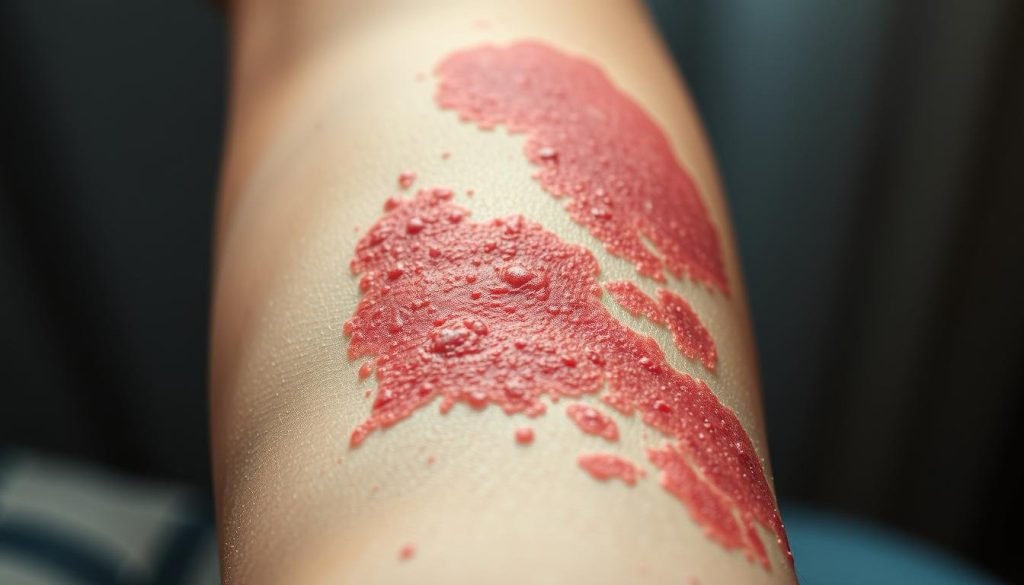
Early signs include small bumps that grow and scaly tops. Plaques may flake off. Itching and burning are common, and skin can crack or bleed.
- Nail changes: pitting, discoloration, lifting, or crumbling.
- Skin pain and tenderness in active areas.
- Joint stiffness or swelling, mostly in the morning.
- New lesions at sites of cuts or friction about 10–14 days later.
- Worsening after stress, infections, or medication changes.
When these signs appear together, a flare-up is likely. Keeping a journal of when and why flare-ups happen helps manage them better.
| Type | Typical Locations | Hallmark Features | Common Context |
|---|---|---|---|
| Plaque | Elbows, knees, scalp, trunk | Thick plaques with silvery scale | Chronic course; recurrent psoriasis flare-ups |
| Guttate | Torso, arms, legs | Numerous small “drops” of scaly spots | Often follows streptococcal infection |
| Inverse | Armpits, groin, under breasts | Smooth, shiny, less scaly plaques | Friction and moisture can spark a psoriasis skin flare |
| Pustular | Palms, soles, or widespread | Red, tender skin with sterile pustules | May appear rapidly; notable psoriasis symptoms |
| Erythrodermic | Most of the body | Diffuse redness, peeling, and heat loss | Severe event requiring urgent care; managing psoriasis flares is critical |
Causes of Psoriasis Flares
Psoriasis Flares don’t just happen by chance. They often start with certain triggers that upset the immune system. Knowing what causes your flare can help you manage it better.
Genetic Factors
Psoriasis can run in families. If a parent has it, you’re more likely to get it too. Genes can make your skin cells grow faster and cause inflammation.
Having these genes doesn’t mean you’ll definitely get plaques. But it makes you more likely to react to triggers like infections or injuries.
Environmental Triggers
Even small injuries can start a flare. This can happen 10–14 days after the injury. Things like cuts, scrapes, sunburn, bug bites, and tattoos can all trigger a flare.
Getting sick can also make things worse. This includes infections like strep throat or bronchitis. Even respiratory bugs and yeast can make your immune system overactive.
Weather can also play a part. Cold, dry air and sudden temperature changes can dry out your skin. This makes managing flares harder in winter.
Lifestyle Impacts
Stress and anxiety can make symptoms worse. Simple things like regular sleep, short breathing breaks, and staying active can help manage flares.
Drinking alcohol can also make plaques worse. Smoking can make your disease more severe, affecting your hands and feet. It adds extra pressure to your flares.
Some medicines can cause flares too. This includes lithium, beta-blockers, and certain NSAIDs. Stopping strong steroids suddenly can also make symptoms worse. Always talk to a doctor before changing your medicine.
Common Triggers for Psoriasis Flares
Knowing what causes psoriasis flares is key. Stress, infections, and weather changes are common culprits. Spotting these patterns can help reduce flare-ups and find relief.
Stress and Anxiety
Stress can make inflammation worse, which can lead to a flare-up. This cycle makes stress a big trigger. Simple daily habits can help manage stress and reduce flare-ups.
- Deep breathing: Inhale and exhale to a slow count of 10, three times.
- Meditation: Try a five-minute timer to start; increase as it feels doable.
- Gratitude journaling: Write three items nightly.
- Yoga and progressive relaxation: Gentle flow or guided muscle release.
- Connection: Support groups or weekly check-ins with friends.
Combining stress care with treatment can lead to better flare relief.
Infections
Psoriasis flares can follow infections by two to six weeks. Strep throat and yeast infections are common triggers. Treating the infection can calm the skin.
- See a clinician if you have a sore throat, fever, or new rash.
- Complete antibiotics or antifungals as prescribed.
- Tell your dermatologist about any HIV infection, as some treatments may not be suitable.
Early treatment can shorten flare-ups and prevent repeats.
Weather Conditions
Cold, dry air can dry out the skin and trigger a flare. Warm, sunny days may help, but sunburn can also trigger a flare. Even air conditioning can dry out the skin in summer.
- Moisturize morning and night; choose thicker creams or ointments.
- Use a humidifier during dry months; aim for moderate indoor humidity.
- Protect from extremes: SPF 30+ outdoors and gentle layers in winter.
Small daily steps can lead to reliable flare relief all year.
| Trigger | Typical Onset | What It Looks Like | Action Steps |
|---|---|---|---|
| Stress and Anxiety | Days to weeks after sustained stress | Itch, plaques thicken, sleep worsens | Breathing drills, meditation, yoga, social support, routine bedtime |
| Strep or Other Infections | 2–6 weeks post-infection | Sudden drop-like spots (guttate) or plaque worsening | Medical evaluation, treat infection, coordinate dermatology follow-up |
| Cold, Dry Weather | Within days of exposure | Dry, cracked plaques; increased scaling | Humidifier, thicker emollients, gentle cleansing, indoor skin protection |
| Sunburn or Excess UV | 24–72 hours after burn | Redness, pain, flare expansion | Broad-spectrum SPF 30+, shade, gradual sun exposure |
| Air Conditioning | Hours to days in low humidity | Tightness, itch, fine scaling | Room humidification, regular moisturization, hydration |
Recognizing a Psoriasis Flare
Spotting a change early makes managing psoriasis flares more effective. Small changes in the skin or nails can signal a flare. Use this as a quick scan to support smart psoriasis flare management before plaques intensify.
Early Signs to Monitor
- Small bumps that soon expand and form overlying scales.
- New itching or a stinging feel, specially at night or after a hot shower.
- Fresh redness or tenderness where the skin was scraped or bumped; look 10–14 days after an injury for the Koebner phenomenon.
- Noticeable dryness and skin tightness after weather shifts or heavy AC use.
- A sore throat followed by scattered small lesions, which can point to a guttate episode after strep.
These cues help guide managing psoriasis flares with timely steps such as gentle moisturizers and reduced friction. Track patterns to see how your psoriasis symptoms ebb and flow week to week.
Symptoms that Worsen
- Plaques expand with heavier scale and frequent shedding.
- Cracked, dry skin becomes painful and may split with movement.
- Bleeding after scratching, even with short nails.
- Nail pitting, ridging, or crumbling that affects daily tasks.
- New lesions at shaving cuts, bug bites, or friction points.
- Escalating joint pain or morning stiffness that lasts more than 30 minutes.
Severe pain, swelling, warmth, and fever can signal infection in skin breaks and require prompt care. Recognizing these shifts supports practical psoriasis flare management and helps you communicate precise details about psoriasis symptoms to your clinician.
| Indicator | What You Notice | Why It Matters | At-Home First Step |
|---|---|---|---|
| New Redness at Injury | Tender, pink to red patches 10–14 days post-trauma | Possible Koebner response signaling a flare | Cushion skin, avoid friction, apply bland emollient |
| Scale Build-Up | Thicker, faster-forming silvery scale | Active plaque growth and barrier stress | Short lukewarm soaks; gentle keratolytic per guidance |
| Itch and Sting | Nighttime itch, stinging after showers | Neuroimmune activation in lesions | Fragrance-free moisturizer; cool compress; avoid hot water |
| Nail Changes | Pitting, crumbling, or lifting | Involvement beyond skin; functional impact | Keep nails short; protect with gloves for wet work |
| Sore Throat + Spots | Throat pain followed by tiny drop-like plaques | Pattern suggests guttate onset post-strep | Monitor spread; note timing for clinician |
| Joint Stiffness | Morning stiffness over 30 minutes | Possible psoriatic arthritis features | Record duration; reduce strain; seek evaluation |
Consistent observation turns small clues into a clear plan for managing psoriasis flares. Keep notes on location, triggers, and timing to refine psoriasis flare management and to describe psoriasis symptoms accurately during visits.
Diagnosing Psoriasis Flares
Getting a clear diagnosis is key to managing psoriasis flare-ups. Timing, location, and triggers often give clues. A quick visit can tell if it’s psoriasis or something else, guiding safe next steps.
Importance of Consultation
See a doctor before changing any treatment. If a flare happens 2–3 weeks after starting a new drug, talk to your doctor. Some drugs can cause psoriasis flare-ups, but a doctor’s plan is safer.
Tell your dermatologist about alcohol and smoking. Alcohol can affect methotrexate, and smoking can make psoriasis worse. Also, report sore throats, recent colds, or skin injuries. Flares can start 2–6 weeks after infections and 10–14 days after injuries.
Bring notes or photos to track your flare. This helps your doctor tailor your treatment and avoid mistakes.
Diagnostic Tests and Procedures
A doctor will look for thick, scaly plaques on elbows, knees, scalp, or trunk. They’ll check your history to confirm it’s psoriasis, not eczema or tinea.
- Throat swab: Rapid test or culture if strep is suspected, specially with guttate-like spots after a sore throat.
- Nail check: Pitting, crumbling, or onycholysis can support the diagnosis.
- Infection screening: If skin is open, clinicians assess for fever, warmth, swelling, or severe pain.
- Skin biopsy: In select cases, a small sample rules out mimics when findings are unclear.
These steps help manage psoriasis flare-ups and guide safe, effective care.
| What Clinicians Evaluate | Why It Matters | Typical Timing Clues | How It Guides Care |
|---|---|---|---|
| Plaque features (borders, scale, thickness) | Distinguishes psoriasis skin flare from eczema or fungal infection | Persistent plaques that wax and wane | Supports topical vs. systemic choices |
| Recent infections and sore throat | Links guttate patterns to strep | 2–6 weeks after infection | Triggers strep testing and targeted treatment |
| New medications and dose changes | Identifies drug-related psoriasis flare-ups | 2–3 weeks after starting a new drug | Coordinates with prescriber on adjustments |
| Skin injuries (cuts, burns, tattoos) | Checks for Koebner response | 10–14 days after injury | Refines prevention advice and wound care |
| Nails (pitting, crumbling) | Supports diagnosis, flags severity | Ongoing changes over months | May prompt nail-specific therapy |
| Signs of infection in broken skin | Prevents complications | Acute onset with fever or severe pain | Leads to antimicrobial evaluation |
| Biopsy when presentation is atypical | Rules out mimics like lichen planus | As needed for unclear cases | Confirms diagnosis for precise care |
Treatment Options for Psoriasis Flares
Psoriasis treatment is best when it fits your skin and flare-ups. It aims for quick relief and steady care over time. This keeps your skin safe and healthy.
Topical Treatments
Begin with moisture. Use fragrance-free ointments and creams to soften scales and calm itch. Apply after bathing and reapply often.
Choose gentle cleansers instead of harsh soaps. This helps avoid irritation during flare-ups.
Dermatologists may add special topicals. Corticosteroid creams reduce inflammation. Vitamin D analogs slow skin cell growth. This approach helps manage flare-ups without harsh steroids.
In winter, consider phototherapy. It’s a treatment when sunlight is scarce. For more on treatments, see this guide on skin rashes.
Systemic Medications
For widespread plaques or joint pain, pills or injections might be needed. Methotrexate is often used, but alcohol can affect its effectiveness. Talk to your doctor about alcohol limits.
Oral corticosteroids like prednisone should be used briefly. This prevents flare-ups from getting worse.
NSAIDs can sometimes cause plaques. If an infection triggers a flare, quick treatment can help. These choices are part of a bigger plan to manage flare-ups.
Biologic Therapies
Biologics target specific immune pathways. They’re key for moderate-to-severe disease or frequent flare-ups. They block TNF, IL-17, or IL-23.
They offer long-lasting treatment and better control of flare-ups. With the right choice, biologics help keep your skin stable and improve your life.
The Role of Lifestyle Modifications
Small daily choices can ease stress on skin and immune balance. Thoughtful routines support managing psoriasis flares by lowering inflammation triggers. They help therapies work better. The aim is steady habits that fit your life.
Diet Changes for Management
No single menu cures psoriasis, yet patterns matter. Favor colorful produce, whole grains, beans, nuts, olive oil, and fatty fish rich in omega‑3s. These foods align with anti-inflammatory goals and may help with psoriasis flare-ups.
Limit alcohol. It can spark flares and interact with methotrexate or acitretin. If you drink, discuss safe limits with your clinician. Consider a food journal to spot links between meals and skin changes for psoriasis flare management.
- Cook at home more often to control salt, sugar, and additives.
- Choose lean proteins like salmon, sardines, or skinless poultry.
- Talk with your dermatologist before starting supplements such as vitamin D or fish oil.
Importance of Hydration
Hydration supports the skin barrier from the inside and outside. Drink water through the day and use thick, fragrance-free ointments right after showers to lock in moisture while managing psoriasis flares.
During dry months, plug in a humidifier and pick gentle, moisturizing cleansers. Reapply cream when plaques feel tight or itchy to reduce friction and help prevent psoriasis flare-ups.
- Pat skin dry; do not rub.
- Apply emollients within three minutes of bathing.
- Keep a travel-size moisturizer in your bag or car.
Exercise Benefits
Regular movement calms stress pathways tied to psoriasis flare management. It can lift mood, aid sleep, and support heart health, which is important with chronic inflammation.
Start small and stay consistent. Walking the block, a gentle yoga flow, or light cycling counts. Brief morning sunlight—up to 20 minutes while avoiding sunburn—may soothe plaques, but protect unaffected skin.
- Aim for most days of activity, even in 10–15 minute bouts.
- Use exercise to curb alcohol cravings and support quitting smoking.
- Choose breathable fabrics to reduce sweat irritation on plaques.
Stress Management Techniques
Stress is like dry tinder for psoriasis. Daily habits that calm the nervous system help manage psoriasis flares. Small steps fit into busy days.

Mindfulness and Meditation
Start with breath work. Inhale, count to 10, and exhale slowly. Do this for two to three minutes. It cools stress signals and helps with psoriasis flare relief.
Daily meditation of five to ten minutes trains your attention. Add gratitude journaling before bed for a calm end to the day. These practices help manage psoriasis flares without taking too much time.
For more info, check out the link between stress and flares. It shows how mindfulness fits into a bigger plan.
Yoga and Relaxation Techniques
Gentle yoga combines movement with breathing. It relaxes muscles, improves flexibility, and helps manage psoriasis flares. Choose low-impact flows or restorative poses to avoid skin irritation.
Use relaxation tools like warm baths and calls with friends. Support groups also help share strategies. Create a personal “toolkit” for daily use to keep psoriasis flare relief steady.
| Technique | How to Do It | Time Needed | Primary Benefit | Best For |
|---|---|---|---|---|
| Deep-Breathing Drill | Inhale, count to 10; slow exhale; repeat 6–8 cycles | 2–4 minutes | Quick nervous-system reset and psoriasis flare relief | Midday stress spikes; commute transitions |
| Short Guided Meditation | Use an app timer; sit, focus on breath, note distractions | 5–10 minutes | Lower reactivity to psoriasis triggers | Morning or bedtime routine |
| Restorative Yoga | Hold supported poses with props; slow nasal breathing | 10–20 minutes | Muscle release; steady heart rate for managing psoriasis flares | Evening wind-down |
| Warm Bath + Gratitude Note | Soak in warm (not hot) water; write 3 brief gratitudes | 15–20 minutes | Full-body relaxation and calmer sleep | Nighttime recovery |
| Connection Break | Call a friend or join a support group check-in | 5–15 minutes | Social buffering of stress and sustained psoriasis flare relief | After challenging days |
The Impact of Weather on Psoriasis
Weather changes can make psoriasis symptoms worse. Cold, dry air can make skin tight and start a flare-up. But, some sun can help. Heat, sweat, and AC can also make symptoms worse. Knowing this helps you prepare.
Tip: Keep a simple diary. Track temperature, humidity, time outdoors, and any changes in symptoms. Patterns usually show up in weeks.
Seasonal Patterns of Flares
Winter often makes itching, scaling, and redness worse. Dry winds and low humidity dry out the skin. Shorter days mean less UV light.
Spring and fall are mixed. Temperature and pollen changes can trigger flare-ups. Many find summer helpful, but sunburn can make symptoms worse.
Indoor air matters all year. Heaters and strong AC dry out the air, making plaques dry and crack.
Managing Symptoms in Different Climates
Cold and Dry (Winter/Fall)
- Limit baths or showers to 10 minutes; choose warm, not hot, water.
- Apply a thick moisturizer right after bathing and reapply as needed.
- Use a humidifier to keep indoor air comfortable.
- Wear a hat, gloves, waterproof boots, and a warm jacket; remove wet layers quickly.
- Keep a safe distance from fireplaces and radiators.
Hot and Sunny (Summer)
- Avoid sunburn: use broad-spectrum SPF 30+ water-resistant sunscreen on unaffected skin.
- Moisturize after showering; reapply if AC makes skin feel tight.
- Ask a dermatologist about phototherapy in winter if psoriasis flare-ups persist.
“Small daily choices—how long you shower, when you moisturize, and how you manage sun—can shift the course of a psoriasis skin flare.”
| Climate Factor | Typical Effect on Psoriasis | What to Watch | Actionable Step |
|---|---|---|---|
| Cold, Dry Air | Increases dryness and plaques | Itch, cracking, thicker scales | Humidifier + thick emollient within 3 minutes post-shower |
| Low Sunlight | Reduced natural UV exposure | Frequent psoriasis symptoms | Discuss phototherapy timing with a dermatologist |
| Heat and Sweat | Can irritate lesions | Redness, stinging after workouts | Light, breathable fabrics; rinse sweat and moisturize |
| Strong AC | Dries indoor air | Tight, flaky patches | Moisturize midday; consider room humidification |
| Intense Sun | May help or harm | Sunburn triggering psoriasis flare-ups | Broad-spectrum SPF 30+; seek shade during peak hours |
Preventing Future Flares
Small, steady habits lower the odds of a setback. Thoughtful psoriasis flare management blends daily care, smart choices, and timely help when something feels off. Aim for simple steps you can repeat, and build from there for steady psoriasis flare relief.
Skincare Routines
Moisturize morning and night with fragrance-free ointments or thick creams. After a bath or shower, apply within three minutes to lock in water. Reapply during the day when skin feels tight or looks dull.
Use a gentle, moisturizing cleanser. Skip hot water and long soaks that strip oils. Calm itch with cool compresses or a dermatologist-approved anti-itch product, so you avoid scratching that can spark new plaques.
Before shaving, smooth on moisturizer and a lubricating shaving gel to reduce nicks. Take slow strokes with a fresh razor, and rinse often. Small cuts can invite a flare, so take your time.
Keeping Triggers at Bay
Stress can fan the flames. Try a daily practice—five minutes of breathing, a short walk, or guided meditation. Consistency helps psoriasis treatment work better and supports psoriasis flare management.
Quit smoking and avoid secondhand smoke; ask your clinician for help with nicotine replacement or prescription aids. Limit or avoid alcohol—generally, women should have no more than one drink per day and men no more than two, though many people do best with none, if using medicines such as methotrexate.
Protect skin from injury. Wear gloves for gardening, trim nails with care, and prevent bug bites by using repellents and avoiding dusk and dawn outdoors. Skip tattoos and piercings, or discuss plans with your dermatologist first. If an infection starts, seek care promptly. If you suspect a drug trigger, raise it with your clinician—do not stop medication on your own.
| Daily Habit | Why It Helps | How To Do It | Benefit for Flares |
|---|---|---|---|
| Moisturize after bathing | Seals hydration and supports the skin barrier | Apply fragrance-free ointment or cream within 3 minutes | Smoother skin, fewer itch-scratch cycles |
| Gentle cleansing | Prevents dryness and irritation | Use mild cleanser; lukewarm water; short showers | Better psoriasis flare relief and comfort |
| Stress reset | Lowers inflammatory signals | Daily breathing, meditation, or a brisk 10-minute walk | More stable psoriasis flare management |
| Smoke-free living | Reduces triggers and improves treatment response | Seek clinician support; avoid secondhand smoke | Fewer and milder episodes |
| Alcohol limits | Prevents flare provocation and drug interactions | Women ≤1 drink/day, men ≤2; consider abstinence | Safer psoriasis treatment and steadier control |
| Shave with care | Prevents cuts that can seed plaques | Moisturizer + shaving gel; new razor; slow strokes | Lower risk of injury-triggered flares |
| Bite and injury prevention | Avoids Koebner-related outbreaks | Gloves, careful nails, repellents, plan outdoor times | Reduced trauma-induced flares |
| Prompt infection care | Stops immune overdrive early | See a clinician at first signs; follow treatment | Faster recovery and fewer complications |
The Importance of Support Networks
Support networks are like a steady hand during psoriasis flare-ups. They share knowledge, offer calm reassurance, and provide real-world tips. This helps ease stress, a known trigger. Many find managing psoriasis flares easier when they’re not alone.
Finding Support Groups
Patient communities offer guidance, comfort, and credible education. The National Psoriasis Foundation hosts webinars, helplines, and peer connections. These resources can guide you to expert-backed advice.
These spaces make setbacks normal and celebrate small wins. This helps in managing psoriasis flare-ups.
- Attend virtual Q&A sessions to learn evidence-based care.
- Use moderated forums to compare treatment routines.
- Access toolkits on stress control and skincare basics.
People who join structured groups often report fewer stress spikes. They also follow through better on daily care. This consistency helps manage psoriasis flares during busy weeks.
Connecting with Others
Real talk with peers makes a difference. Swap tips on moisturization routines, humidifier use, sunscreen strategies, and stress practices. These practical exchanges can smooth daily hurdles and support psoriasis flare relief.
- Call a friend to vent after a tough day and reset your mood.
- Join a gentle yoga class or walking group to tame stress-related triggers.
- Share lists for travel kits—emollients, mineral sunscreen, and a small humidifier.
As shared habits take root, small wins add up. Over time, steady social contact can reduce stress load. This makes managing psoriasis flares feel more doable.
When to See a Healthcare Provider
Getting timely care is key to managing psoriasis flares. If your symptoms get worse or change quickly, it’s time to see a doctor. They can help figure out what’s happening and find the best treatment for you.
Warning Signs of Serious Flares
Look out for signs of infection in skin breaks. These include severe pain, swelling, warmth, pus, or fever. These symptoms need quick medical attention.
See a doctor right away if your plaques get worse fast after starting a new drug. Also, if you get many small lesions 2–6 weeks after strep throat, or new plaques at injury sites about 10–14 days later, you need to be checked.
Joint pain, morning stiffness, or swelling could mean psoriatic arthritis. Also, if your nails are pitting, lifting, or crumbling, get it checked. This helps guide treatment and protect your joints and nails.
Importance of Regular Check-ups
Take a list of all your medications and supplements to your doctor’s visits. This includes lithium, beta-blockers, antimalarials like hydroxychloroquine, NSAIDs, and oral steroids. Talk about your alcohol and tobacco use too. Alcohol can make treatments less effective and increase risks with methotrexate. Smoking can make your disease worse.
Regular visits help adjust your treatments, plan for winter phototherapy, and decide when to use stronger treatments. This keeps your psoriasis under control and helps manage your symptoms better.
| Situation | Why It Matters | What to Do | Potential Care Path |
|---|---|---|---|
| Fever with painful, swollen plaques | Possible skin infection complicating psoriasis symptoms | Seek urgent evaluation | Culture, antibiotics, adjust psoriasis treatment |
| Rapid worsening after new medication (2–3 weeks) | Drug-induced flare | Contact clinician promptly | Review meds, substitute agent, escalate therapy if needed |
| Widespread lesions after recent strep throat | Guttate flare post-infection | Schedule visit | Throat culture, targeted antibiotics, phototherapy |
| New plaques where skin was injured (10–14 days) | Koebner response indicating active disease | Report pattern | Protect skin, optimize topicals, consider systemic care |
| Increasing joint pain or nail damage | Risk of psoriatic arthritis and functional loss | Request assessment | Imaging, rheumatology referral, systemic psoriasis treatment |
| Alcohol or tobacco use with poor control | Lowers response and raises treatment risks | Discuss reduction strategies | Adjust plan, counseling, optimize psoriasis flare management |
Looking Ahead: Research and Innovations
Psoriasis science is moving fast, blending immune insights with practical care. Researchers are refining targets in the IL-17, IL-23, and JAK-STAT pathways. This aims to improve psoriasis treatment while lowering risk.
Phototherapy remains a steady ally during high-risk seasons. It helps reduce psoriasis flare-ups when sunlight is scarce. Together, these tools point to smarter, safer psoriasis flare management.
Emerging Treatments in Research
Next-generation biologics aim for precise immune modulation. They have longer dosing intervals and better safety profiles. Small-molecule inhibitors are being studied for people who want oral options without losing control of symptoms.
Clinicians use narrowband UVB as an adjunct, even in winter. The goal is clear: durable control with fewer side effects and flexible choices in psoriasis treatment.
The Future of Psoriasis Management
Care is shifting toward personalization. Mapping triggers helps tailor plans that cut relapse risk. Layering medical therapy with daily habits creates a buffer against psoriasis flare-ups.
Trusted education from groups like the National Psoriasis Foundation is key. Consistent dermatology follow-up supports long-term psoriasis flare management.
What does this mean for you? Expect more targeted options and clearer action plans. Data-guided checkups will spot patterns early. As research advances, psoriasis treatment will feel less like crisis control and more like steady, proactive care.
FAQ
What are psoriasis flares and why do they happen?
Psoriasis flares are when symptoms get worse suddenly. They can be triggered by stress, infections, skin injuries, or certain medications. This makes the skin cells grow too fast, causing red, scaly patches.
Knowing what triggers your flares can help manage them better.
What is psoriasis?
Psoriasis is a chronic skin condition. It happens when the immune system gets too active. This causes the skin cells to grow too fast, leading to thick, scaly patches.
It’s not contagious, so you can’t catch it from someone else. Managing flares involves both medical treatment and lifestyle changes.
Which types of psoriasis can flare?
All types of psoriasis can flare. This includes plaque, guttate, inverse, pustular, and erythrodermic. Streptococcal infections often trigger guttate psoriasis.
The type and trigger can help guide treatment choices.
What do psoriasis flare-ups feel and look like?
Early signs include small bumps and fine scales. You might also feel itchiness or stinging. As it worsens, the patches grow and can crack, leading to bleeding.
New lesions often appear 10–14 days after skin injury.
Do genes affect psoriasis flares?
Yes, genes play a role. Psoriasis can run in families. Genetic factors make the skin more prone to react to triggers.
While you can’t change your genes, managing triggers and following a treatment plan can help.
What environmental factors can trigger a flare?
Skin injuries, infections, and weather changes can trigger flares. This includes cuts, scrapes, sunburn, tattoos, piercings, and shaving nicks.
Lesions may appear at trauma sites 10–14 days later.
How do lifestyle habits influence psoriasis symptoms?
Stress and anxiety can make psoriasis worse. Psoriasis itself can also be stressful, creating a cycle. Heavy or frequent alcohol use can worsen symptoms.
Smoking can make the disease more severe, affecting hands and feet. Good sleep, exercise, and moisturizing routines can help control flares.
How does stress cause psoriasis flare-ups?
Stress activates hormones and immune pathways that fuel inflammation. This extra inflammation can trigger or worsen plaques. Daily stress reducers like deep breathing and meditation can help.
Which infections most often precede a flare?
Streptococcal throat infections are a common trigger, often leading to guttate psoriasis. Other triggers include respiratory infections, earaches, yeast or thrush, and staph. Treating the infection can calm the skin.
Seek care if you have fever, severe pain, or swelling.
How does weather affect psoriasis flare management?
Cold, dry winter air typically worsens symptoms. Warm, sunny climates may help, but sunburn can trigger flares. Indoor AC can dry skin in summer.
Regular moisturization, humidifier use, and sun protection can reduce flare frequency and intensity.
What early signs suggest a psoriasis flare is starting?
Watch for new bumps with fine scale, rising itch or stinging, redness at recent injury sites, tightness or dryness after weather shifts or AC use, and sore throat followed by scattered small lesions.
Acting early can make flare relief easier.
Which symptoms mean my flare is getting worse?
Expanding plaques with heavier scale, frequent shedding, cracked and painful skin, bleeding after scratching, nail pitting or crumbling, new plaques at shaving cuts or bug bites, and escalating joint pain are signs of worsening.
Severe pain, swelling, or fever can signal infection—seek medical care promptly.
When should I call a clinician about a psoriasis flare?
Get care for severe pain, swelling, or fever, rapid widespread worsening after a new medication (in 2–3 weeks), or sudden guttate-like eruptions after a sore throat (2–6 weeks later). Increasing joint pain or significant nail changes also merit evaluation. Do not stop prescribed medicines abruptly.
How do doctors diagnose a psoriasis flare?
A clinical exam identifies thick, scaly plaques and nail changes. History helps time triggers like infections or injuries. If strep is suspected, a throat culture or rapid test may be done.
If needed, a skin biopsy confirms diagnosis and rules out mimics. Signs of infection are assessed when skin is broken.
What should I tell my provider before changing any meds?
Discuss all prescriptions and supplements, including lithium, beta-blockers, antimalarials like hydroxychloroquine, NSAIDs, and oral steroids. Some can trigger flares in 2–3 weeks. Never stop steroids abruptly; taper under supervision. Share alcohol and smoking habits, which can affect psoriasis treatment.
Which topical treatments help during flares?
Foundation care is moisturization: thick, fragrance-free ointments or creams right after bathing and throughout the day. Use gentle, moisturizing cleansers. Dermatologists often add corticosteroids or vitamin D analogs.
Consistent skin hydration improves scale, itch, and barrier repair across triggers and seasons.
What systemic medicines are used for managing psoriasis flares?
For more extensive disease, options include methotrexate and other systemics. Alcohol increases methotrexate risks and may reduce its effect—avoid or limit. Oral steroids like prednisone can help short term but abrupt stopping can worsen psoriasis; taper only with medical guidance. Some NSAIDs may aggravate flares for certain people.
How do biologic therapies fit into psoriasis flare treatment?
Biologics target specific immune pathways driving rapid skin turnover and inflammation. They’re core options for moderate-to-severe disease or frequent flare-ups. People with HIV need individualized discussions because some treatments carry risks. Regular follow-up guides selection and monitoring.
Can diet changes reduce psoriasis flare-ups?
No single diet cures psoriasis, but anti-inflammatory eating patterns may help. Alcohol avoidance is often recommended due to flare links and drug interactions. Discuss supplements or major diet shifts with your clinician to align with your treatment plan.
Why is hydration so important for psoriasis symptoms?
Well-hydrated skin resists cracking and reduces itch, scaling, and tenderness. Apply thick, fragrance-free moisturizers right after bathing and reapply as needed. Plug in a humidifier during dry months. Choose gentle cleansers. These steps support psoriasis flare relief year-round.
How does exercise help with psoriasis flare management?
Regular activity lowers stress, improves mood, and may reduce flare frequency. Walking, yoga, or brief safe sun exposure can be calming. Exercise also supports smoking cessation and curbs alcohol cravings—both key for managing psoriasis flares.
Which mindfulness practices calm psoriasis triggers?
Try deep-breathing (inhale, count to 10; slow exhale), daily meditation, and brief gratitude journaling at night. Consistency matters more than length. These habits lower stress reactivity that often drives flare-ups.
What relaxation techniques are gentle on skin?
Gentle yoga, warm (not hot) baths, and scheduled relaxation routines help. Connect with others—call a friend or join a support group. Build a personal stress toolkit and use it proactively, not only during crises.
Why do psoriasis symptoms worsen in winter?
Cold, dry air and low humidity dehydrate skin and can reduce natural UV exposure that sometimes helps. Moisturization, humidifiers, protective clothing, and shorter warm showers limit winter flares. Dermatologist-guided phototherapy can be useful in colder months.
How can I manage psoriasis in different climates?
In winter, keep showers to 10 minutes with warm water, moisturize immediately, use a humidifier, and protect skin with gloves and layers. In summer, prevent sunburn with broad-spectrum SPF 30+ on unaffected skin, moisturize after showering, and reapply moisturizer if AC dries your skin.
What daily skincare reduces future flares?
Use fragrance-free ointments or creams right after bathing and reapply when dry. Choose gentle cleansers. Calm itch to avoid scratching. For shaving, soften skin with moisturizer plus shaving gel and go slow to prevent nicks that can spark plaques 10–14 days later.
How do I keep psoriasis triggers at bay?
Manage stress daily, quit smoking and avoid secondhand smoke, and limit or avoid alcohol. Wear gloves for chores, prevent bug bites, and be cautious with tattoos or piercings. Treat infections promptly. If a medication seems linked, talk to your prescriber—don’t stop on your own.
Where can I find support for managing psoriasis flares?
The National Psoriasis Foundation offers education, community forums, and guidance to resources. Support groups reduce stress and improve coping—both linked to fewer flare-ups. Your dermatologist’s office may also know local groups.
How does connecting with others help control flares?
Sharing routines—from moisturization and humidifiers to sunscreen strategies and stress practices—builds confidence and reduces isolation. Social contact lowers stress and can make treatment plans easier to follow.
What are the warning signs of a serious flare?
Seek care for severe pain, swelling, or fever in areas of broken skin; rapid worsening after a new medication (in 2–3 weeks); widespread lesions after strep throat (2–6 weeks later); or new plaques at injury sites (10–14 days). Rising joint pain also needs assessment.
How often should I see my healthcare provider?
Regular check-ups help optimize topicals, consider phototherapy in winter, and escalate to systemic or biologic therapies when needed. Always review medications like lithium, beta-blockers, antimalarials, NSAIDs, and steroids, and discuss alcohol and tobacco use because they influence psoriasis treatment and outcomes.
What new treatments are emerging for psoriasis?
Research continues to refine biologic and targeted therapies that modulate immune pathways behind rapid skin cell turnover. Safety and precision are improving. Phototherapy remains a valuable adjunct, specially during high-risk seasons.
What does the future of psoriasis flare management look like?
Personalized trigger mapping—stress, infection timing, medication checks, and weather patterns—combined with tailored medical therapy offers the best control. Integrating moisturization, humidifiers, safe sun, injury prevention, smoking cessation, and alcohol avoidance with proven treatments can reduce the frequency and intensity of psoriasis flares over time.
Schedule your appointment with Dr. Khanna