
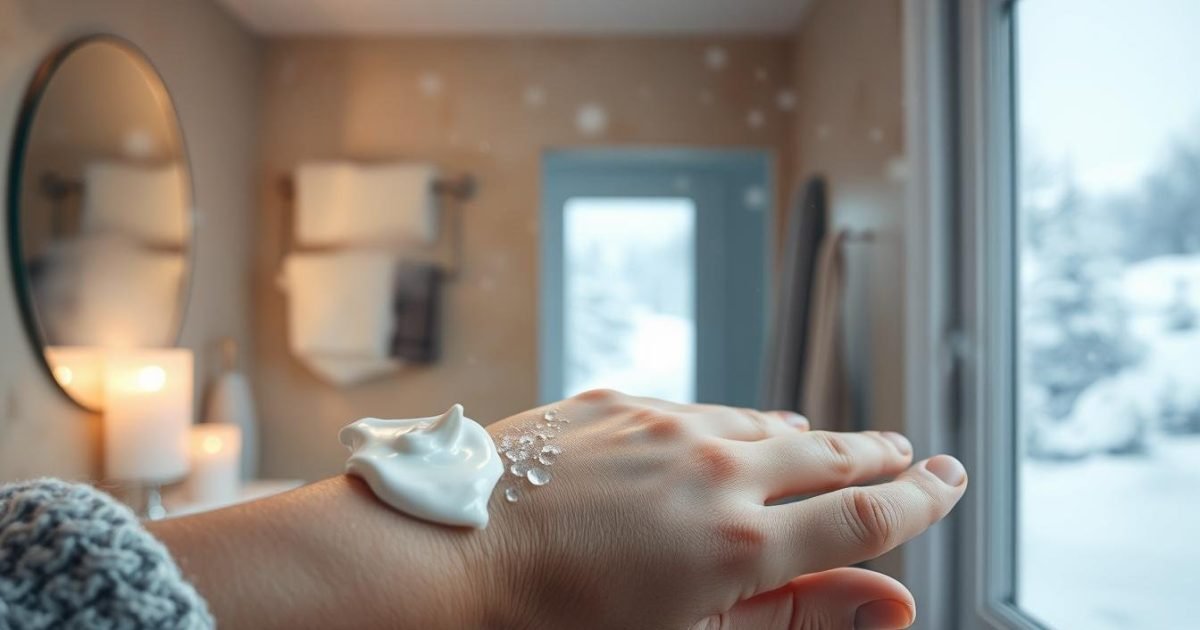
Have you ever wondered why those stubborn bumps on your arms or thighs become impossible to ignore when temperatures drop? For millions of Americans, colder months bring more than just cozy sweaters—they trigger a frustrating skin issue often mistaken for acne or allergies.
This common concern affects nearly half the population, creating rough patches that feel like permanent goosebumps. While harmless, these symptoms intensify as humidity plummets, leaving skin parched and irritated. Dry indoor heating and icy winds create a perfect storm for flare-ups, making daily care routines essential.
Many people don’t realize this condition often runs in families. If a parent has it, there’s a 50% chance their children will too. The good news? With targeted strategies, you can smooth texture and reduce redness—even when winter tries its hardest to sabotage your progress.
Key Takeaways
- Cold, dry air worsens skin texture for 50% of affected individuals
- Genetic factors play a major role in susceptibility
- Proper hydration and exfoliation minimize visible bumps
- Professional treatments exist for severe cases
- Consistency is critical for long-term improvement
This guide reveals science-backed solutions to transform your skin from rough to radiant. Discover how simple habit changes and specialized products can help you regain confidence—no matter what the thermostat says.
Understanding Keratosis Pilaris
Those rough patches many people notice on their arms aren’t ordinary dry skin. They’re actually tiny plugs formed when excess keratin – a natural skin protein – builds up around hair shafts. This harmless issue affects nearly 40% of adults globally, creating textures that range from subtle sandpaper-like patches to visible reddish dots.
Defining the Condition
Medical experts describe these bumps as “non-inflammatory follicular keratoses” – dry plugs that form when dead skin cells mix with keratin. Unlike acne, they don’t contain pus or bacteria. A dermatologist explains:
“It’s like your skin’s recycling system gets a little overzealous, creating protective barriers that trap hairs.”
Common Affected Areas
While most noticeable on upper arms and thighs, these rough patches can appear elsewhere:
- Buttocks (30% of cases)
- Cheeks in children (often mistaken for rash)
- Chest and back (less frequently)
Genetic factors play a key role – if parents have this skin texture, children have 50% likelihood of developing it. Though persistent, most cases gradually improve by age 30 without treatment.
How Winter Intensifies the Condition
When temperatures plummet, skin struggles to retain its natural defenses. Chilly air acts like a sponge, pulling moisture from exposed areas. This creates an environment where rough textures thrive, especially in regions with harsh seasonal shifts.
Moisture Stripping Factors
Indoor heating systems create artificial warmth but steal humidity from your surroundings. Forced air circulation can reduce moisture levels by 40%, leaving protective barriers brittle. As one dermatologist notes:
“Heated spaces trick us into feeling cozy while secretly sabotaging skin’s hydration reserves.”
Cold winds outside and dry air inside form a double threat. Blood vessels narrow in low temperatures, slowing nutrient delivery to affected areas. This makes existing bumps appear more raised and inflamed.
| Factor | Winter Impact | Summer Impact |
|---|---|---|
| Humidity Levels | Below 30% (drying) | Above 50% (protective) |
| Indoor Environment | Heating reduces moisture | Natural airflow maintains balance |
| Skin Hydration | Loses 25% more water | Retains protective oils |
| Clothing Choices | Wool irritates surfaces | Breathable fabrics prevail |
Hot showers become tempting during frosty days but strip essential oils faster. Tight layers like sweaters rub against sensitive zones, worsening texture. Many find their skin improves dramatically in humid summer months only to face renewed challenges when leaves fall.
Effective Home Treatments for Keratosis Pilaris
Smoothing rough texture starts with smart product choices and consistent care. Dermatologists recommend combining hydration with gentle exfoliation to address the root causes of bumpy skin. Timing matters – applying treatments when skin is slightly damp boosts absorption by 30%.

Moisturizing and Hydration Strategies
Look for creams containing ammonium lactate or ceramides. These ingredients act like moisture magnets while dissolving dead cell buildup. A dermatologist explains:
“AmLactin works double duty – it hydrates while clearing keratin plugs without harsh scrubbing.”
Apply products within 3 minutes of showering when pores are open. For stubborn areas, layer thin applications twice daily. CeraVe SA Cream combines salicylic acid with essential ceramides, making it ideal for sensitive zones.
Chemical Exfoliation Options
Alpha hydroxy acids (AHAs) gently dissolve stubborn plugs. Start with 5% lactic acid formulas – their larger molecules penetrate slowly, reducing irritation risk. Glycolic acid works faster but may sting on first use.
Effective routine:
- Cleanse with lukewarm water
- Pat skin until slightly damp
- Apply exfoliant using upward circular motions
Ameliorate’s Transforming Body Lotion contains 12% lactic acid yet feels lightweight. Always follow with SPF 30+ – AHAs increase sun sensitivity by 40%.
Expert-Recommended Skincare Routine
Crafting the right daily regimen makes all the difference for texture improvement. Dermatologists stress three pillars: gentle cleansing, smart hydration, and barrier protection. These steps work together to calm irritation while addressing underlying causes.
Gentle Cleansing Methods
Harsh scrubbing creates microscopic tears, worsening roughness. Instead, use lukewarm water and creamy formulas like CeraVe Hydrating Cleanser. Its ceramide-rich formula cleanses without stripping natural oils.
Effective technique:
- Limit showers to 10 minutes
- Massage cleanser in circular motions
- Rinse thoroughly with palms
Drunk Elephant’s Kamili Body Cleanser uses plant oils to dissolve impurities gently. Avoid loofahs – fingertips provide enough exfoliation for sensitive areas.
Maintaining Skin Hydration and Barrier Function
Damp skin absorbs moisture best. After patting dry, apply creams containing ceramides within 90 seconds. Necessaire’s Fragrance-Free Body Lotion combines niacinamide with squalane for lasting comfort.
Key components:
- Ceramides repair protective layers
- Niacinamide reduces redness
- Hyaluronic acid boosts hydration
For stubborn patches, layer treatments as dermatologists recommend. Consistency matters – visible improvements often take 6-8 weeks.
Over-the-Counter and Prescription Solutions
Finding the right products can feel overwhelming when dealing with stubborn bumps. Effective options range from drugstore staples to clinical-grade formulas, each targeting specific concerns.
Role of Active Ingredients
Salicylic acid works like a deep-cleaning crew for pores. As a beta hydroxy acid, it dissolves oil-based debris while calming irritation. Many dermatologists recommend starting with 2% concentrations in cleansers or spot treatments.
Urea performs double duty in skincare. This powerhouse ingredient softens rough patches by breaking down dead cells while pulling moisture into parched areas. Look for it in creams like Eucerin’s 10% formula for noticeable texture improvement.
“These ingredients work best when combined with consistent moisturizing – think of them as teammates rather than solo players,”
When to Consult a Dermatologist
Persistent redness or widespread bumps may need professional care. Prescription retinoids tackle severe cases by accelerating cell turnover. Antibiotic creams help if scratching leads to infection.
Laser treatments offer lasting results for stubborn discoloration. A recent study showed 68% improvement in redness after three sessions. Always seek expert advice if home care stalls progress for 8+ weeks.
Natural Home Remedies and DIY Approaches
Simple kitchen ingredients can offer surprising relief for stubborn texture concerns. These accessible solutions work with your skin’s natural processes to soften rough areas gently.
Apple Cider Vinegar Solutions
Diluted apple cider vinegar harnesses malic acid to dissolve dead cells. Mix equal parts vinegar and water. Apply with a cotton pad twice weekly after cleansing. Rinse after 5 minutes to prevent irritation. Always follow with moisturizer.
Baking Soda Scrubs
Create a smoothing paste using 2 tsp baking soda and 1 tsp water. Gently massage onto damp skin using circular motions for 1-2 minutes. Limit use to once weekly to avoid over-exfoliation. Rinse thoroughly with cool water.
Coconut Oil Benefits
Virgin coconut oil’s fatty acids calm inflammation and lock in moisture. Warm a pea-sized amount between palms before applying to affected areas. Its antimicrobial properties help prevent irritation from scratching.
Always test new treatments on a small patch first. Wait 24 hours before full application. Consistency matters – most natural remedies show results after 4-6 weeks of regular use.
FAQ
Why does this skin issue get worse during colder months?
Cold air and low humidity strip moisture from the skin, worsening dryness. Indoor heating further dehydrates the surface, causing hair follicles to become more irritated. This leads to increased roughness and visible bumps in common areas like the upper arms or thighs.
Are there safe treatments for sensitive areas like the face?
Yes. Fragrance-free moisturizers with ceramides or hyaluronic acid help restore hydration. For exfoliation, lactic acid is gentler than harsher options. Avoid scrubbing cheeks aggressively, as this can trigger redness or irritation.
How is this condition different from eczema?
Unlike eczema, which causes itchy, inflamed patches, this issue creates small, painless bumps. It typically appears on the upper arms, thighs, or cheeks and lacks the oozing or scaling seen in severe eczema flare-ups.
Can certain ingredients in creams make a difference?
Products with urea or salicylic acid soften trapped keratin in follicles. Look for creams containing ammonium lactate or glycolic acid to smooth texture. Always patch-test new formulas to avoid reactions.
Do natural remedies like coconut oil work?
Coconut oil locks in moisture and soothes irritation but doesn’t exfoliate. Pair it with gentle chemical exfoliants like diluted apple cider vinegar for better results. Avoid baking soda, as its high pH can disrupt the skin barrier.
When should someone see a dermatologist?
If over-the-counter options fail after 6–8 weeks, consult a professional. Persistent redness, scarring, or widespread bumps may require prescription retinoids, laser therapy, or stronger exfoliating treatments.
Can lifestyle changes reduce flare-ups?
Yes. Short showers with lukewarm water prevent moisture loss. Use a humidifier indoors to combat dry air. Wear breathable fabrics and avoid tight clothing that rubs against affected areas.
Schedule your appointment with Dr. Khanna