
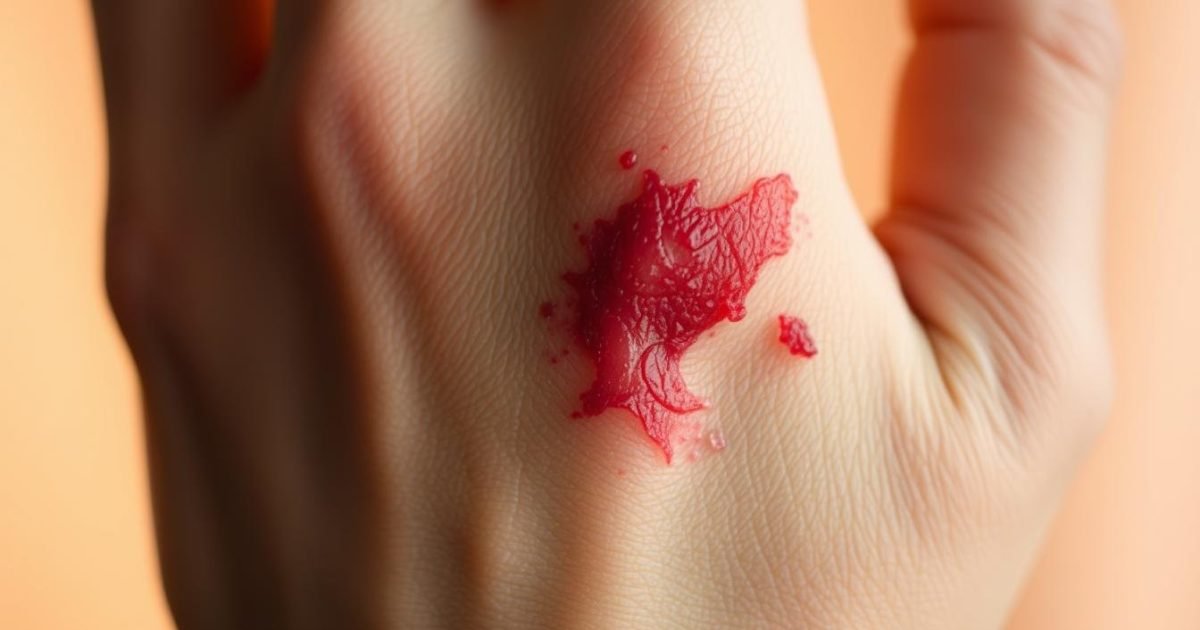
What if the fastest way to calm itchy skin isn’t more lotion? It’s the right sequence—cleanse, seal, and shield—done at the first tingle of a flare.
Eczema (Atopic Dermatitis) Flares can feel sudden, but they follow patterns. This guide shows how to spot early signs, act fast, and build habits that reduce eczema flare-ups over time. You will learn practical, evidence-based steps for managing eczema flares at home and with your care team.
The plan blends daily skincare and smart trigger control with safe eczema treatment options. Think fragrance-free cleansers, lukewarm baths, and barrier-focused moisturizers with ceramides or shea butter. Add timely use of doctor-recommended medicines and simple lifestyle shifts. The goal is clear: soothing eczema today and building long-term control with realistic eczema prevention tips.
Insights draw on guidance from trusted sources like the Mayo Clinic and national dermatology organizations. Expect straightforward advice you can use right away, from wet wraps to bleach baths used as directed, plus when to see a board-certified dermatologist.
Key Takeaways
- Catch Eczema (Atopic Dermatitis) Flares early to make eczema flare-ups shorter and milder.
- Use a simple routine: gentle cleanse, rich moisturize, and protect to keep soothing eczema on track.
- Choose fragrance-free products with ceramides; lukewarm bathing helps when managing eczema flares.
- Track triggers like sweat, wool, harsh detergents, and stress to guide eczema prevention tips.
- Follow your clinician’s plan for eczema treatment options, including topical steroids and nonsteroids.
- Consider wet wraps, phototherapy, or bleach baths only as directed by a healthcare professional.
- Build a flare plan so you know what to do on day one, hour one.
Understanding Eczema (Atopic Dermatitis) Flares
Eczema (Atopic Dermatitis) Flares happen when skin gets inflamed again. They are like sparks that start quickly and are hard to ignore. It’s important to act fast to stop them from getting worse.
How do clinicians confirm what’s going on? Doctors use your history, a skin exam, and patterns of symptoms. Patch testing can find out what triggers the flare.
What are Eczema Flares?
Flares are when eczema gets worse, with more itch and redness. Even when it seems better, it can come back. This is just how the disease works.
During flares, the skin gets weaker and nerves are more sensitive. Scratching makes it worse. Quick treatment can help stop this cycle.
Common Symptoms of Flares
- Intense itch that peaks at night and disrupts sleep
- Red or darker patches, depending on skin tone
- Soreness, oozing, or crusting if infection develops
- Thickened, leathery areas from chronic scratching
These symptoms often show up on hands, neck, eyelids, or skin folds. When they happen, moisturizers and treatments work best if started early.
Triggers of Eczema Flares
- Irritants: harsh soaps, fragrances, alcohol-based cleansers
- Environment: hot, dry indoor air, sudden climate shifts, tobacco smoke
- Allergens: identified via patch testing that maps contact sensitivities
- Biologic stressors: infections, heavy sweating, prolonged hot showers
- Food allergies: a factor for some children—discuss with a clinician
Knowing what causes eczema flares helps you manage it better. Look for patterns, act quickly, and keep important items ready to stop a flare.
The Impact of Eczema Flares on Daily Life
Eczema flare-ups affect more than just the skin. They change routines, sleep, and comfort. Knowing the daily challenges helps manage eczema better.
Physical Challenges Faced
Itching can be constant. Symptoms like pruritus, burning, and soreness often get worse at night. Activities like exercise or heat can make it worse.
Broken skin lets bacteria in. Lesions that are sore, oozy, or crusty need doctor visits. Keeping nails short and wearing cotton gloves at night helps.
Every day, you need to care for your skin. Use lots of moisturizers, medicated creams, and short baths. Running out of these can slow down healing, so have a backup.
- Choose soft, breathable clothing like cotton or Tencel.
- Plan workouts in cooler rooms and rinse sweat quickly.
- Set reminders for moisturizers and prescriptions.
Emotional and Psychological Effects
Visible symptoms can make you feel embarrassed or frustrated. Flares can make you feel like you’re losing control. Stress and poor sleep can make itching worse.
Studies show sleep problems and mood changes, like depression, during flares. Counseling and support groups help. They teach coping skills and reduce feeling alone.
Simple changes can help. Talk to your boss about working from home or adjusting your hours. Have a plan for when symptoms get bad. Small steps can make a big difference in managing eczema.
Effective Skincare Routines for Eczema
An eczema skincare routine should be simple, gentle, and consistent. It’s like wearing daily armor for your skin. This helps soothe eczema and prevent flares.
Quick start: Moisturize twice a day. Seal in water within three minutes after bathing. Use products without dyes, alcohol, or fragrances to avoid irritation.
Choosing the Right Moisturizers
Ointments and thick creams keep moisture in and calm irritation. Ointments might sting less when you itch, while creams are better for daytime. Lotions are less occlusive but can help.
Look for ingredients like ceramides, hyaluronic acid, and shea butter. They help hold water and support skin recovery. CeraVe, Vanicream, Eucerin, Aquaphor, and Aveeno offer good options.
- Apply an ointment at bedtime and a cream before work or school.
- Carry a travel-size tube for quick touch-ups on hands, wrists, and folds.
- During minor flares, a thin layer of 1% hydrocortisone can be used up to twice daily before moisturizing.
Pro move: Store a backup moisturizer at your desk, bag, and nightstand. This keeps your routine consistent.
Daily Cleansing Tips
Take short, lukewarm showers or baths—under 10 minutes. Hot water can strip away natural oils and trigger itch. Use nonsoap, hypoallergenic, fragrance-free cleansers and rinse well.
- Pat skin dry, leaving it slightly damp, then moisturize head to toe.
- Consider colloidal oatmeal baths for itch relief on tense days.
- For recurrent or severe flares, some dermatologists recommend diluted bleach baths: add 1/2 cup regular household bleach to a standard 40-gallon tub, soak 5–10 minutes from the neck down, then rinse. Discuss this step with your clinician first.
Avoid harsh soaps, scented products, and alcohol-based toners. They can erode the skin barrier and make managing eczema harder. Gentle care is key to soothing eczema and preventing it in the long run.
| Product Type | Best Use | Key Ingredients | Why It Helps | Example Fragrance-Free Brands |
|---|---|---|---|---|
| Ointment | Nighttime, severe dryness | Petrolatum, ceramides | High occlusion to lock in moisture and calm itch | Aquaphor Healing Ointment, CeraVe Healing Ointment |
| Cream | Daytime, frequent reapplication | Ceramides, hyaluronic acid, shea butter | Balances hydration with comfort; supports barrier lipids | CeraVe Moisturizing Cream, Vanicream Moisturizing Cream, Eucerin Advanced Repair |
| Lotion | Quick hydration on-the-go | Glycerin, hyaluronic acid | Lightweight feel; easier spread for frequent use | Aveeno Skin Relief Fragrance-Free, Vanicream Daily Moisturizer |
| Cleanser | Daily shower or bath | Nonsoap surfactants, oatmeal | Reduces stripping; supports soothing eczema during wash | CeraVe Hydrating Cleanser, Vanicream Gentle Facial Cleanser, Aveeno Soothing Body Wash |
Identifying Common Triggers of Eczema Flares
Finding patterns helps manage atopic dermatitis better. Small changes in daily life can help prevent eczema flares. Use these tips to find what triggers your eczema and protect your skin.
Quick start: keep a simple diary. Note products, places, weather, and stress. Add photos of rashes to compare changes over time.
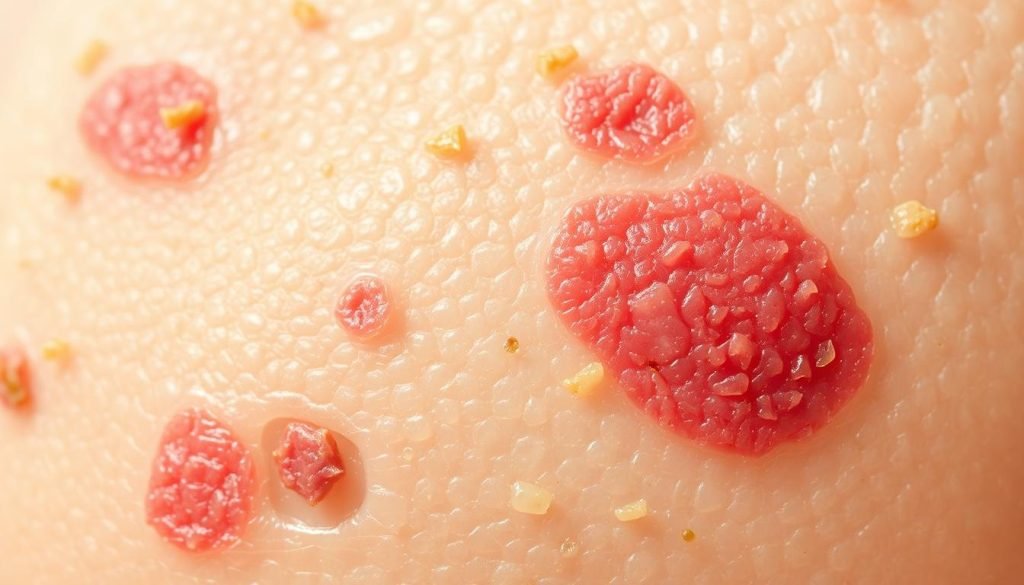
Allergens That May Cause Flares
Allergens can spark eczema like dry tinder. Common ones include nickel in jewelry, fragrances in lotions, and preservatives in personal care products. In kids, food allergens should be checked by a doctor to avoid too many restrictions.
Patch testing can find contact allergens linked to eczema. A doctor puts tiny amounts of substances on your back under small patches. Your skin is checked over several days for reactions that explain eczema flares.
- Ask about patch testing if rashes persist despite careful skincare.
- Bring product labels to appointments for ingredient review.
- For kids, plan food evaluations with your care team instead of self-testing.
Environmental Factors
Everyday irritants can cause flares. Harsh detergents, fabric softeners, fragranced products, and tobacco smoke often provoke flares. New clothes may carry chemicals, so wash them before wearing with fragrance-free detergent.
Heat and sweat are common flare causes. Choose breathable fabrics like cotton, dress in layers, and cool down after exercise. Rapid weather shifts, hot showers, and dry indoor air can also worsen skin; a cool rinse and a room humidifier can help within an atopic dermatitis management plan.
When illness strikes, the immune load rises. Treat the infection and the skin at the same time to reduce stress on your system. These eczema prevention tips work best when tracked, so update your diary after colds, travel, or busy weeks.
| Trigger Category | Examples | Skin Impact | Actionable Eczema Prevention Tips |
|---|---|---|---|
| Contact Allergens | Nickel, fragrance mixes, formaldehyde releasers | Delayed red patches, itch, sometimes oozing | Request patch testing; choose fragrance-free, hypoallergenic products |
| Household Irritants | Detergents, fabric softeners, bleach | Dryness, stinging after laundry day | Use dye-free, fragrance-free detergent; skip softeners; extra rinse cycle |
| Climate and Air | Dry indoor heat, rapid weather changes | Tight, flaky skin; increased itch | Run a humidifier; keep showers lukewarm; moisturize within 3 minutes |
| Heat and Sweat | Workouts, overheated rooms, tight gear | Prickly itch, salt sting, quick flares | Wear breathable layers; cool down fast; blot sweat and reapply moisturizer |
| Tobacco Smoke | Secondhand or thirdhand exposure | Irritation, prolonged redness | Maintain smoke-free spaces; change clothes after exposure |
| Illness and Infection | Colds, flu, skin infections | Systemic stress, sudden worsening | Treat illness promptly; follow your flare plan; monitor for signs of infection |
| New Clothing | Unwashed garments, treated fabrics | Itch at seams or contact points | Wash before first wear; favor cotton or silk; avoid scratchy tags |
Pro tip: Review your diary weekly. Look for repeating atopic dermatitis triggers and pair them with small changes. This steady approach supports atopic dermatitis management without upending daily life.
The Role of Diet in Managing Eczema
What you eat can affect your skin every day. In managing atopic dermatitis, diet is just one part. Spotting patterns is key, not just guessing.
Quick start: keep a food-symptom diary, drink plenty of water, and mix nutrition with moisturizers. These steps help prevent eczema without strict rules.
Foods That Can Trigger Flares
Some foods can cause rashes in some people. Common culprits include milk, eggs, fish, shellfish, tree nuts, peanuts, wheat, and soy. Symptoms can be quick, like itchy mouth, hives, or stomach pain.
Before cutting foods, talk to a doctor, even for kids. Cutting too much can miss important nutrients. Use a diary to track food and symptoms, then talk to your doctor.
- Consistent, repeat reactions need a doctor’s check for food allergy.
- Drinking water helps skin care with moisturizers.
- Learn more through this resource on diet and nutrition for eczema.
Anti-Inflammatory Foods to Consider
Think of your plate as a calm message to your skin. Choose foods that are less processed and lower body stress during flares. This helps manage eczema without false promises.
- Colorful produce: berries, leafy greens, tomatoes, and squash for antioxidants.
- Healthy fats: olive oil, avocado, and omega-3 sources like salmon and sardines.
- Protein balance: beans, lentils, chicken, and tofu to aid repair.
- Whole grains: oats, brown rice, and quinoa for steady energy.
These foods are good for eczema prevention and everyday meals. Start small, track how you feel, and adjust with your care team. Personal plans are better than strict rules—and keep nutrition strong in managing atopic dermatitis.
Natural Remedies for Eczema Flares
Choosing gentle, evidence-aware options can help manage eczema flares at home. Think of these as tools that help soothe eczema. They support your efforts to find the best eczema treatment options.
Essential Oils for Skin Relief
Fragrances can trigger eczema flare-ups, so be careful. Many essential oils are scented and might irritate your skin. Remember, a little goes a long way when using them for soothing eczema.
- Patch test a diluted oil on the inner forearm for 48 hours.
- Choose products labeled fragrance-free over scented blends when managing eczema flares.
- Avoid applying undiluted oils to compromised skin.
Before adding oils to your eczema treatment, talk to a clinician. They can help with a patch test and assess your current flare-ups.
Herbal Treatments to Explore
There are natural ways to help with eczema flares. They don’t replace medical care but can help during mild flare-ups.
- Topical cannabinoids: Creams with cannabinoids have shown benefits for itch and thickened skin. Talk to a healthcare professional about product choice and dosing.
- Bath oils: Adding soybean oil or mineral oil to lukewarm bathwater can reduce dryness. Be careful—oily tubs are slippery.
- Manuka honey: Applied thinly, it may calm irritated patches and has antimicrobial activity. Do not use on children under 1 year due to infant botulism risk.
- Acupuncture or acupressure: Research shows itch reduction in atopic dermatitis. Ask about licensed practitioners and hygiene standards.
Herbal steps work best with moisturizer use and trigger control. Always check with your clinician before adding new remedies to your treatment plan.
| Remedy | Proposed Benefit | How to Use | Safety Notes |
|---|---|---|---|
| Topical Cannabinoid Creams | Helps reduce itch and lichenification | Apply thin layer to affected areas as directed | Consult clinician for product selection; avoid broken skin if stinging occurs |
| Soybean or Mineral Bath Oil | Improves moisture retention after bathing | Add small amount to lukewarm bath; pat skin dry and moisturize | Risk of slips in tub; skip if a product stings or smells strong |
| Manuka Honey | Soothes irritation; antimicrobial support | Apply thin layer, cover with clean dressing if needed | Not for infants under 1 year; discontinue if increased redness occurs |
| Acupuncture/Acupressure | May decrease itch intensity | Sessions with a licensed practitioner; monitor symptom changes | Discuss bleeding disorders or anticoagulants with provider |
| Essential Oils (Cautious Use) | Potential comfort when tolerated | Use diluted; patch test first; avoid fragranced blends | Common irritants; consult clinician before use on active flares |
Medical Treatments for Eczema
Dermatology offers a clear path when moisturizers and trigger control are not enough. Thoughtful atopic dermatitis management blends proven medicines with daily care. This keeps symptoms in check and reduces eczema flare-ups. The right eczema treatment options can help manage eczema flares without sacrificing skin safety.
Topical Corticosteroids: What to Know
Topical corticosteroids are often first-line for active plaques. Apply a thin layer to inflamed spots once nightly for 7–14 days unless your clinician advises differently. Use Finger Tip Units to guide amount by body area, and treat only active lesions when disease is localized.
After control, step down by lowering potency or reducing frequency. Don’t stop at once. Overuse can thin skin, so wash hands after each application. For frequent eczema flare-ups, some dermatologists advise “weekend therapy” two days per week on usual hot spots.
When itch and redness fail to ease after a week of correct use, speak with a clinician. They may suggest stronger potency or add-on eczema treatment options to keep managing eczema flares safely.
Systemic Medications for Severe Cases
When disease is widespread or rapidly relapses, doctors may use phototherapy with narrowband UVB or controlled sunlight. Benefits can be meaningful when topicals stall. Yet, long-term risks include premature aging and higher skin cancer risk, so monitoring is key.
For patients over age 2, topical calcineurin inhibitors—tacrolimus (Protopic) and pimecrolimus (Elidel)—offer steroid-sparing control. Apply before moisturizers and avoid strong sun on treated areas. Though an FDA black box warning exists, decade-long data have not shown a causal cancer link.
Biologics such as dupilumab (Dupixent, age 6 and up) and tralokinumab (Adbry, adults) target immune pathways to reduce eczema flare-ups when other therapies fail. Systemic anti-inflammatories—cyclosporine, methotrexate, prednisone, mycophenolate, or azathioprine—can calm severe disease for the short to medium term under specialist oversight.
Wet wrap therapy can quickly quiet inflamed skin by layering corticosteroid ointment with damp gauze under a dry layer. If skin becomes sore, oozy, or crusty, infection may be present; clinicians may prescribe oral antibiotics. All of these eczema treatment options fit within atopic dermatitis management plans tailored to your history and goals, with the shared aim of managing eczema flares early and safely.
The Importance of a Dermatologist
A skilled dermatologist helps manage atopic dermatitis with a clear plan. They guide in managing eczema flares and tracking symptoms. They also tailor treatments to fit your skin and schedule.
When to Seek Professional Help
- Flares that last longer than a week despite guideline-based care.
- Rashes that rebound quickly after you stop treatment.
- Signs of infection: soreness, oozing, yellow crusts, or fever.
- Widespread, severe lesions or sleep loss from itch.
- Babies with persistent or infected rashes should be seen promptly.
These signs mean you need better atopic dermatitis management. A dermatologist will look at triggers, therapies, and follow-up.
What to Expect During Your Visit
The doctor will look at your timeline. They’ll ask about when symptoms started and what triggers them. This includes soaps, detergents, smoke, sweating, or hot showers.
They will also review your personal and family history. This includes allergies and asthma. They will check your current creams, pills, and supplements.
Based on the exam, they might do patch testing for contact allergens. You’ll discuss managing eczema flares. This could include moisturizers, topical steroids, light therapy, or biologics.
- Bring a full medication and supplement list.
- Ask about causes of symptoms, needed tests, and alternatives.
- Clarify daily skincare, flare action steps, and when to escalate.
Care works best when everyone is on the same page. This includes your primary care doctor, dermatology nurse, and dermatologist. They should have a shared plan with clear goals and timelines. For more on real-world care paths and outcomes, see this overview of therapeutic education and systemic-to-biologic transitions.
| Visit Focus | Why It Matters | How It Guides Care |
|---|---|---|
| History and Triggers | Reveals irritants and allergens behind managing eczema flares | Adjusts bathing, products, and environment |
| Skin Exam | Confirms pattern and severity of eczema symptoms | Sets baseline and tracks response |
| Testing (e.g., patch tests) | Identifies contact allergens that prolong flares | Targets avoidance and precise treatment |
| Treatment Plan | Aligns atopic dermatitis management with daily life | Combines moisturizers, topicals, light therapy, or biologics |
| Follow-Up and Escalation | Prevents undertreatment and complications | Defines when to escalate eczema treatment options |
Stress Management in Eczema Care
Stress can make itch worse, and itch can mess up sleep. This creates a cycle that makes eczema worse. To manage eczema, start with habits that calm your body and mind. The goal is to stop eczema flares before they start, and keep up with prevention tips.
Think of stress care as skin care for your nervous system. Small, consistent steps help steady inflammation and reduce triggers that set off eczema flare-ups.
Techniques for Reducing Stress
Start with the basics: sleep, hydration, and balanced meals. Set a regular bedtime, keep water nearby, and eat steady protein, fiber, and healthy fats. These simple steps help manage atopic dermatitis during busy times.
- Self-care reset: Plan short breaks, realistic to-do lists, and gentle exercise like walking or cycling.
- Relaxation training: Try progressive muscle relaxation or guided imagery to turn down the itch–stress cycle.
- Behavior modification: Cover common scratch zones, keep nails short, and use a “competing response” like clenching a fist for 10 seconds.
- Biofeedback: With a clinician’s guidance, learn to control heart rate and muscle tension that can amplify eczema flare-ups.
Professional support is key when worry or low mood lasts. Counseling or psychotherapy can help with the emotional weight of visible rashes. Support groups connect you with others who manage eczema flares every day.
Mindfulness and Eczema Management
Mindfulness helps focus away from scratching. Short daily sessions fit well with eczema prevention tips.
- Deep breathing: Inhale for four counts, exhale for six, for two to five minutes. Repeat during early signs of itch.
- Meditation: Use a body scan to notice sensations without reacting. Label “itch” and return to the breath.
- Yoga: Gentle flows and restorative poses calm the nervous system and may ease nighttime restlessness.
Keep a small log of what helps—time of day, practice used, and any changes in sleep or skin. Over time, this becomes a personal map for managing atopic dermatitis, guiding when to adjust routines and how to stay ahead of eczema flare-ups.
Understanding the Role of Humidity
Humidity is like a dimmer switch for your skin. If it’s too low, moisture escapes. If it’s too high, sweat and friction rise. Knowing this balance helps prevent eczema and manage flares every day.
How Climate Affects Eczema Flares
Hot, dry air can dry out sensitive skin. This leads to itch and flaking. Quick changes from cold to warm also stress the skin.
High humidity adds heat, sweat, and salt. This mix can make eczema worse, mainly in skin folds. Wearing cool clothes and breathable layers helps.
“Keep the air steady, and the skin stays steadier.”
Season changes matter a lot. Spring pollen and windy days, or late-fall heat, can trigger eczema. Small changes in routine can help control it.
Tips for Managing Humidity
Keep indoor air steady. Use a humidifier to add moisture; clean it often to avoid mold.
- Take short, lukewarm showers; moisturize within three minutes to lock in water.
- Wear breathable cotton or moisture-wicking blends to reduce sweat friction.
- Use fragrance-free emollients; reapply before bed and after handwashing.
- Plan ahead for heat waves: arrange a cooler workspace, keep cool packs handy.
- Travel smart: check forecast humidity, pack your routine, and carry rescue treatments.
These steps help prevent eczema and manage flares. They work well when the weather changes fast.
| Humidity Scenario | Skin Impact | Risk Highlights | Action Plan |
|---|---|---|---|
| Low humidity (≤30%) in winter | Increased transepidermal water loss; tight, flaky skin | Cracking, itch spikes, faster flare onset | Run a humidifier (35–45% target), apply occlusive moisturizer after bathing, use gentle cleansers |
| High humidity (≥60%) in summer | Sweat and salt irritate; friction in folds | Heat rash overlap, secondary irritation | Wear breathable fabrics, cool the room, rinse sweat promptly, choose light gel-cream emollients |
| Rapid shifts (outdoor cold to indoor heat) | Barrier stress from quick temperature changes | Eczema flare causes tied to vasodilation and dryness | Layer clothing, use barrier cream on exposed areas, keep showers brief and lukewarm |
| Travel to new climates | Unfamiliar humidity disrupts routine | Delayed care access, trigger uncertainty | Pack prescriptions, travel-size moisturizers, and a mini humidifier; monitor room humidity |
| Office HVAC variability | Dry recirculated air; intermittent cooling | Afternoon dryness, itch in hands and face | Use a desk hygrometer, apply emollient breaks, request consistent cooling during heat waves |
Managing air moisture balances atopic dermatitis triggers. It offers practical tips for preventing eczema. With steady routines and smart tools, managing eczema flares is easier across seasons and settings.
Enhancing Your Living Environment
A calm, clean home can help your skin. Making small changes can manage atopic dermatitis and reduce stress. Think of your home as part of your eczema skincare routine.
Quick start: keep supplies easy to find, stay tidy, and track your skin. For more on eczema, see this resource on what causes eczema and the best. Then, work with your doctor to make a plan.
Creating an Eczema-Friendly Home
- Have emollients and prescriptions ready for flares. Place them by sinks, showers, and beds for easy access.
- Use fragrance-free cleansers and detergents. Avoid dryer-added softeners to reduce irritants.
- Wear cool, smooth fabrics like cotton or silk for chores and workouts. This helps manage flares caused by heat and sweat.
- Keep colloidal oatmeal and gentle bath oils for dry days. Use non-slip mats and rinse well to avoid residue.
- Make a flare plan with your care team. Keep treatments within reach and document symptoms with notes and photos.
Importance of Air Quality
- Reduce tobacco smoke exposure and use proper ventilation in kitchens and bathrooms. Clean air helps manage atopic dermatitis.
- Change HVAC and purifier filters regularly. This helps with dust and dander.
- Use a humidifier in dry seasons and avoid overheating rooms. Moderate humidity can calm itching and help manage flares overnight.
- Wipe hard surfaces and vacuum with a HEPA filter to cut pollen and dust mites. Consistency is key in an eczema skincare routine.
The Influence of Fabrics on Eczema
Clothing can either soothe or spark the skin. The right weave helps steady an eczema skincare routine, while the wrong fiber can set off atopic dermatitis triggers. Think of fabric as the first layer of your barrier care, which is key during eczema flare-ups and daily management.
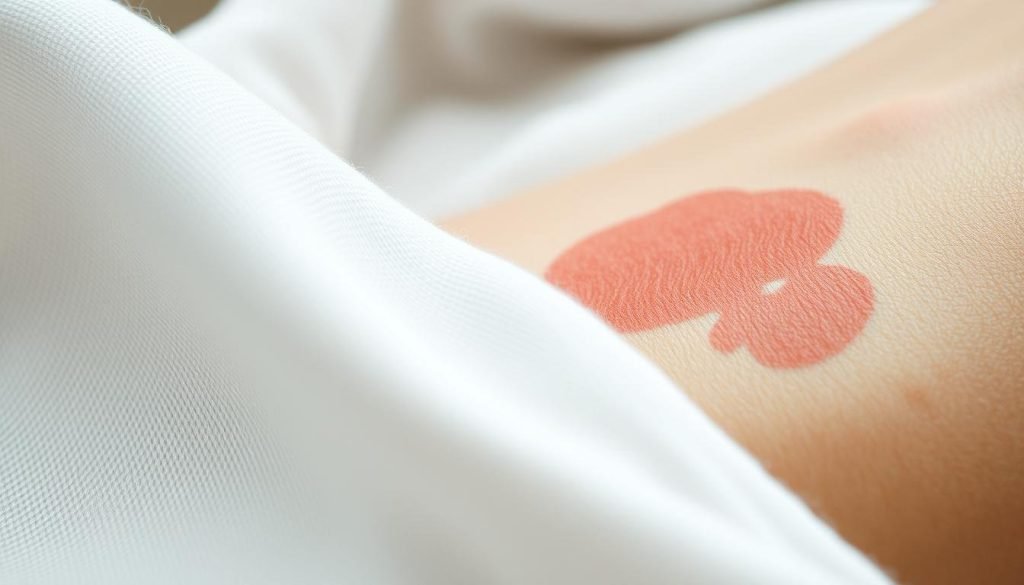
Choosing the Right Clothing Materials
Soft, breathable, and loose-fitting pieces reduce friction and heat. Mid-weight cotton, Tencel lyocell, bamboo viscose, and silk blends allow airflow and help wick sweat. These options fit well within an eczema skincare routine because they keep skin calm and cool.
Wash new clothes before wearing. A gentle, fragrance-free detergent removes residues that can act as atopic dermatitis triggers. During workouts or hot days, layer light garments and change out of damp clothes fast to prevent sweat-fueled eczema flare-ups.
- Tip: Choose tagless designs to limit rubbing at the neck and seams.
- Prefer flatlock stitching, which lowers friction on bends like elbows and knees.
- Test one new fabric at a time when managing eczema flares to spot irritants.
Avoiding Irritating Fabrics
Rough, tight, or scratchy materials ramp up itch. Traditional wool, many acrylic knits, and stiff polyester blends can trap heat and provoke rubbing. In hot weather, these choices often intensify atopic dermatitis triggers and lead to quicker eczema flare-ups.
Skip dryer-added fabric softeners and strong fragrances. Stick with liquid, dye-free detergents and rinse well. When managing eczema flares, steer clear of compression layers unless advised by a clinician, and swap into dry clothing after exercise or a commute.
- Avoid metallic threads, sequins, and coarse lace that snag sensitive areas.
- Check cuffs, waistbands, and collars—tight elastics can chafe and overheat skin.
- On chilly days, place a soft cotton base layer under sweaters to buffer contact.
Developing a Support System
Having strong networks makes managing eczema flares easier. It feels less lonely and more achievable. When people around you know how to help, managing eczema is better.
Small steps, shared early, help reduce stress. They support smart ways to prevent eczema flare-ups.
Connecting with Support Groups
Peer groups offer real advice and calm the “why me” spiral. In the United States, patient organizations and hospital dermatology programs host sessions. Hearing others’ stories can spark new routines and build confidence.
Ask your dermatologist’s office about local groups. Many clinics list moderated groups, workshops, and nurse-led classes. These cover flare planning, itch control, and prevention tips you can try right away.
- Share what triggers your eczema flare-ups and learn from others.
- Compare skin-care timelines for managing atopic dermatitis, from bathing to emollients.
- Practice scripts for talking with schools, coaches, and supervisors.
Involving Family and Friends
Set expectations before a flare. Explain the burning, itch, and sleep loss you feel. This way, plans can change without surprise.
Ask for specific help when managing eczema gets tough. This could be groceries, meal prep, or childcare. This lets you rest and moisturize on schedule.
- For kids, use cotton sleepwear and socks or gloves at night to limit scratching; keep nails short.
- At work, ask for practical adjustments like cooler desks, fragrance-free areas, or flexible hours.
- Arrange backup caregiving for children or aging parents ahead of time to reduce stress during eczema flare-ups.
Emotional care is important too. If managing eczema becomes hard, book a review with your care team. Counseling can help with mood and sleep. It supports atopic dermatitis management and reinforces prevention tips.
Staying Informed on Eczema Research
Science is always moving, and staying updated helps you make better choices for your skin. New findings lead to safer treatments and better ways to prevent eczema. Use this knowledge to ask smart questions at your doctor’s visits and adjust your treatment as needed.
Recent Advances in Eczema Treatments
Biologic therapies have made a big difference for severe eczema. Dupilumab (Dupixent) is now approved for kids 6 and up. Tralokinumab (Adbry) is for adults. These treatments help with itch, reduce flares, and improve sleep.
There are also steroid-sparing agents. Topical calcineurin inhibitors help control eczema long-term. They are safe, with no link to cancer. Dermatologists often use topical corticosteroids two days a week at flare sites.
Wet wrap therapy can calm flares quickly. Phototherapy is also an option after discussing risks. These treatments help manage eczema without disrupting your life.
Resources for Eczema Awareness
Want to stay up-to-date? Keep a diary of your symptoms and treatments. Review it with your dermatologist to improve your care plan. Mayo Clinic and other centers run trials for new treatments and prevention methods.
Follow updates from major medical groups. Ask your doctor about your next steps during flares. This cycle of tracking, reviewing, and refining keeps your treatment plan effective and safe.
FAQ
Dealing with Eczema Flares? Get Soothing Solutions
Eczema is a chronic condition that can flare up. You can manage these flares with a good skincare routine. This includes daily moisturizing, gentle cleansing, and using prescribed treatments early.
These steps help reduce itch and inflammation. They also prevent frequent symptoms.
What are Eczema Flares?
Flares happen when eczema becomes more active. You might feel intense itch and inflammation. Your skin could turn red or darker, feel hot, or sore.
If it’s infected, it might ooze or crust. Quick action can help shorten a flare.
What are the common symptoms of flares?
Symptoms include intense itch, redness, and darker patches. You might also feel burning, soreness, and dryness. Scratching can make your skin thicker over time.
Nighttime itch can disrupt your sleep. If your skin is open, it might ooze or crust if it’s infected.
What triggers eczema flares?
Triggers include harsh soaps, fragrances, and alcohol-based products. Hot showers, sweat, and dry air also trigger flares. So do rapid weather changes, detergents, tobacco smoke, and infections.
Stress and contact allergens can also cause flares. Patch testing can help identify these allergens.
What physical challenges do people face during flares?
Flares can make it hard to do daily activities. The itch, stinging, and skin breakdown limit you. Exercise, rough fabrics, or heat can make symptoms worse.
Sleep loss is common and can make discomfort worse.
How do eczema flares affect emotional health?
Visible rashes can make you feel embarrassed and frustrated. Poor sleep and pain increase stress. This stress can make eczema worse.
Counseling and support groups can help. Stress management can also improve your skin control.
How do I choose the right moisturizers?
Look for fragrance-free, dye-free products. Choose ones with ingredients like ceramides, hyaluronic acid, and shea butter. Ointments are greasier but seal in moisture well.
Apply within three minutes after bathing and reapply at least twice daily.
What are the best daily cleansing tips?
Take short, lukewarm showers or baths under 10 minutes. Use gentle, nonsoap, hypoallergenic cleansers. Rinse well, pat dry, and moisturize right away.
Colloidal oatmeal baths can soothe itch. Avoid hot water and alcohol-based toners.
Which allergens may cause eczema flare-ups?
Contact allergens like certain preservatives, fragrances, metals (nickel), and rubber accelerators can cause flares. Patch testing by a clinician helps identify these allergens.
In children, discuss suspected food allergies before removing foods.
What environmental factors worsen eczema?
Hot, dry indoor air, sudden climate shifts, and smoke exposure worsen eczema. Fragranced detergents or fabric softeners and occupational irritants also trigger flares.
Washing new clothes before wearing removes manufacturing residues.
Do foods trigger flares for everyone?
No. Food triggers are more common in some children. They should be evaluated by a clinician. Keep a food-symptom diary to spot patterns.
Avoid broad elimination diets without guidance, as they can be harmful.
Are there anti-inflammatory foods to consider?
Aim for balanced, minimally processed foods. Include plenty of vegetables, fruits, whole grains, lean proteins, and healthy fats. Hydration supports skin health.
Personal triggers vary, so monitor your own responses.
Are natural remedies safe for eczema flares?
Some options can complement care. Manuka honey may calm skin and has antimicrobial properties—avoid in children under 1 year. Bath oils like soybean or mineral oil can reduce dryness but make tubs slippery.
Discuss new remedies with your clinician.
What about essential oils for skin relief?
Many essential oils are fragranced and can irritate sensitive skin. If considering them, patch test first and consult a clinician. Fragrance-free, gentle care remains first-line for managing eczema flare causes.
Which herbal treatments are worth exploring?
Evidence varies. Beyond manuka honey, approaches should be supportive. Acupuncture and acupressure have shown itch reduction in some studies.
Coordinate with your healthcare professional.
What should I know about topical corticosteroids?
They are first-line for flares. Apply a thin layer once daily, often at night, for 7–14 days unless told differently. Use correct amounts guided by Finger Tip Units (FTU).
Step down potency or frequency after control to prevent rebound. Overuse can thin skin.
Which systemic medications help severe cases?
For severe, unresponsive eczema, clinicians may use cyclosporine, methotrexate, prednisone, mycophenolate, or azathioprine short to medium term due to side effects. Biologics such as dupilumab (Dupixent) and tralokinumab (Adbry) reduce inflammation in moderate-to-severe disease.
When should I see a dermatologist?
Seek help if a flare doesn’t improve after about a week of proper care. If it recurs quickly after stopping treatment, or shows infection signs—soreness, oozing, crusting. Get urgent advice for severe, widespread rashes or major sleep disruption.
Babies with persistent or infected rashes need evaluation.
What should I expect during a dermatology visit?
The clinician reviews symptoms, timing, triggers, and medical history, including allergies and asthma. Bring a list of medications and products. They may recommend patch testing and outline eczema treatment options, from topicals and wet wraps to phototherapy or biologics.
Which stress-reduction techniques help eczema?
Prioritize sleep, hydration, and realistic workloads. Try relaxation training, biofeedback, and behavior strategies to curb habitual scratching. Short, daily sessions build resilience and can lessen flare intensity.
Can mindfulness improve eczema management?
Yes. Deep breathing, meditation, and yoga calm the nervous system, reduce stress-related itch, and may improve adherence to atopic dermatitis management plans. Small, consistent practices work best.
How does climate affect eczema flares?
Hot, dry conditions dehydrate skin and increase itch. Rapid shifts in temperature can destabilize the skin barrier. Plan ahead for travel and seasonal changes, and keep cool to limit sweating.
What are tips for managing humidity at home?
Use a clean, well-maintained humidifier during dry seasons. Avoid overheating rooms, and ventilate properly. Short lukewarm showers, immediate moisturizing, and breathable layers help keep skin comfortable.
How can I create an eczema-friendly home?
Stock fragrance-free cleansers and ample emollients so you don’t run out during flares. Wash new clothes before wearing. Keep colloidal oatmeal and bath oils on hand, and organize medications for quick access.
Why is indoor air quality important?
Tobacco smoke and poor ventilation aggravate skin. Maintain clean filters, reduce smoke exposure, and avoid heavy fragrances and dryer-added fabric softeners. Stable, comfortable humidity supports the skin barrier.
Which clothing materials are best for eczema prevention?
Choose breathable, soft, loose-fitting fabrics like cotton that minimize friction and heat buildup. Layer to stay cool, and change out of sweaty clothes promptly to reduce sweat-triggered irritation.
Which fabrics should I avoid during flares?
Skip rough, tight, or scratchy fabrics—like wool. Avoid materials that trap heat during hot weather or workouts. Wash garments with gentle, fragrance-free detergents.
How do I connect with support groups?
Patient organizations, hospital programs, and dermatology clinics often host groups or can provide referrals. Sharing strategies with others living with eczema can improve coping and reduce isolation.
How can family and friends help during eczema flare-ups?
Explain what flares feel like and how plans may change. Ask for practical help—shopping, childcare, meal prep—during severe periods. For kids, keep nails trimmed and consider socks or gloves at night to limit scratching.
What are the recent advances in eczema treatments?
Biologics like dupilumab and tralokinumab have strong evidence for moderate-to-severe atopic dermatitis. Topical calcineurin inhibitors (tacrolimus, pimecrolimus) offer steroid-sparing control, and maintenance steroid regimens plus wet wrap therapy help prevent eczema flare-ups.
Where can I find reliable resources for eczema awareness?
Follow updates from Mayo Clinic, the American Academy of Dermatology, and major academic centers. Track symptoms with a diary and photos, and discuss clinical trial opportunities with your dermatologist to stay current with managing eczema flares.
Schedule your appointment with Dr. Khanna