
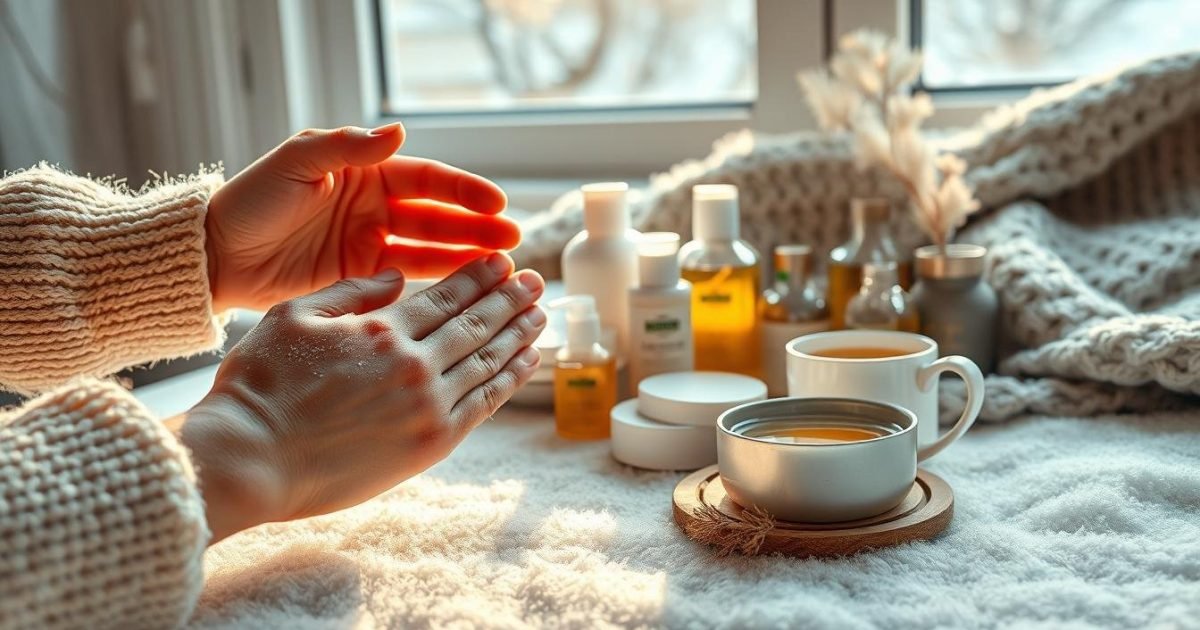
Why does your skin rebel when the temperature drops? For millions, colder months bring more than cozy sweaters—they spark relentless dryness, itching, and irritation. This struggle isn’t random. Cold air strips moisture from delicate skin barriers, while indoor heating systems worsen dehydration. Children face the toughest battle, with up to 20% of infants developing symptoms before age five, according to Johns Hopkins pediatric dermatologist Katherine Puttgen.
Chronic inflammatory dermatitis doesn’t play fair. Your body’s natural defenses weaken as humidity plummets, creating cracks that invite redness and discomfort. Many assume lotions alone fix the problem, but effective care requires smarter strategies. Indoor environments often compound the issue—forced-air heating acts like a sponge, absorbing precious moisture from already fragile skin.
Proactive routines make all the difference. Think beyond basic moisturizers: gentle cleansers, humidifiers, and protective clothing form a defense against seasonal triggers. While some outgrow this condition, others manage it lifelong. The key lies in understanding how to reinforce your skin’s natural armor during harsh weather shifts.
Key Takeaways
- Cold, dry air disrupts skin barrier function, increasing irritation risks
- Children under five face higher susceptibility due to developing immune systems
- Indoor heating systems significantly contribute to moisture loss
- Multi-step care routines outperform single-product solutions
- Early intervention reduces long-term symptom severity
Understanding Why Eczema Worse In Winter
When chilly winds blow, sensitive skin faces a hidden battle. Outdoor conditions and indoor climate control team up to disrupt natural defenses. Dermatologist John Anthony notes:
“Cold air pulls hydration from skin cells like a vacuum, while heaters create desert-like indoor spaces.”
The Perfect Storm for Discomfort
Two factors create winter’s harsh reality for delicate complexions. First, freezing outdoor air contains minimal humidity – sometimes less than 10%. This parched environment saps protective oils from the skin’s surface. Second, forced-air heating systems slash indoor moisture levels by 30-40%, according to climate studies.
Breaking Down Protective Layers
Healthy complexions rely on a strong skin barrier – a microscopic shield of lipids and proteins. This biological armor traps moisture while blocking pollutants. Genetic variations make some barriers inherently fragile, as explained in dermatological research. Winter conditions accelerate breakdowns through:
- Continuous moisture evaporation
- Repeated temperature shifts
- Increased irritant exposure
Damaged barriers become porous, allowing allergens to penetrate deeper layers. This triggers inflammation cycles that worsen sensitivity over time. Protective strategies focus on reinforcing this vital outer layer before cracks appear.
Identifying Winter Triggers and Irritants
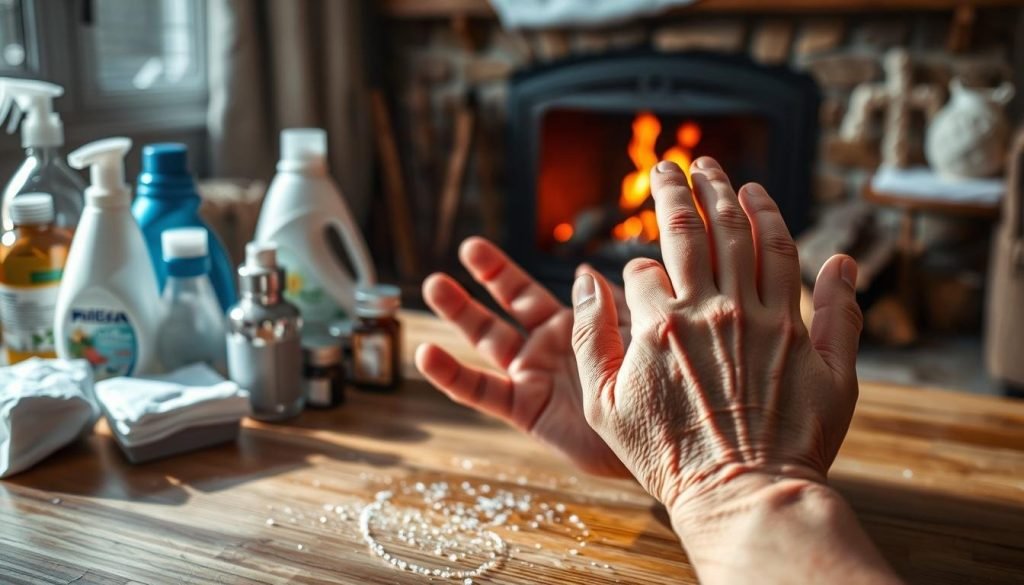
Uncovering hidden culprits behind seasonal discomfort requires detective-like attention to daily habits and environments. Common triggers often hide in plain sight, from scratchy sweaters to cleaning supplies. Let’s decode how these elements interact with sensitive skin.
Common Environmental and Fabric Irritants
Winter wardrobes frequently feature materials that sabotage comfort. Rough wool fibers act like microscopic sandpaper on delicate areas. Synthetic fabrics like polyester trap sweat, creating irritation hotspots. The National Eczema Association advises:
“Opt for breathable cotton layers and fragrance-free detergents to minimize reactions.”
Household products pose equal risks. Harsh laundry soaps leave residue that cause eczema flare-ups through direct contact. Even “gentle” cleaners may contain alcohols that strip natural oils.
Role of Allergens and Extreme Temperatures
Indoor heating systems concentrate airborne allergies like pet dander and dust mites. These particles bind to dry skin, sparking immune responses. Sudden shifts from warm rooms to cold outdoors shock skin barriers, triggering inflammation cycles.
Three key strategies help manage these challenges:
- Track reactions to specific materials using a symptom journal
- Layer clothing to buffer against temperature swings
- Use hypoallergenic products for cleaning and bathing
Developing a Soothing Winter Skin Care Routine
Rebuilding your skin’s defenses starts with intentional daily habits. Strategic hydration methods and product selection form the foundation of effective seasonal protection against dryness and irritation.
Effective Moisturizing and Ointment Application
Timing transforms ordinary lotions into powerful allies. Apply thick moisturizer within three minutes after bathing when skin absorbs hydration most efficiently. Dr. Anthony emphasizes:
“Petroleum jelly creates an airtight seal that outperforms water-based creams in frigid conditions.”
Opt for ointments listing petrolatum as the first ingredient. These formulas mimic the skin’s natural barrier, locking in moisture for 8-12 hours. For daytime use, layer lighter creams under protective clothing to avoid greasiness.
Choosing Gentle Cleansers and Short Baths
Limit showers to 10-15 minutes using lukewarm water to preserve essential oils. Fragrance-free cleansers with pH levels matching healthy skin (5.4-5.9) prevent stripping natural lipids. Pat skin dry instead of rubbing to maintain surface integrity.
Three critical bath-time rules:
- Test water temperature with your elbow – it’s more sensitive than hands
- Apply cleanser only to sweaty or dirty areas
- Follow immediately with moisturizer on damp skin
Practical How-To Tips for Managing Eczema Flare-Ups
When indoor heating meets cold outdoor air, sensitive complexions face a double threat. Strategic adjustments to daily habits can break this cycle while restoring comfort. Focus on three core areas: environmental control, targeted therapies, and post-care precision.
Utilizing Humidifiers and Adjusting Water Temperature
Portable humidifiers combat dry air in key living spaces. Dr. Anthony advises:
“Bedroom units work best during sleep—aim for 40-50% humidity to moisturize skin without encouraging mold.”
Whole-house systems offer broader coverage but require professional installation.
Bathing routines need careful calibration. Use lukewarm water (90-95°F) and limit soak time to 12 minutes. Test temperatures with your elbow—it’s more sensitive than fingers. This prevents stripping natural oils that protect vulnerable areas.
| Humidifier Type | Coverage | Maintenance | Best For |
|---|---|---|---|
| Portable | Single room | Daily cleaning | Bedrooms/offices |
| Console | 500 sq ft | Weekly filter changes | Living areas |
| Whole-house | Entire home | Professional servicing | Chronic dryness |
Implementing Wet Wrap Therapy and Post-Bath Techniques
For severe cases, try this intensive treatment:
- Apply prescription cream to affected zones
- Layer petroleum jelly over damp skin
- Cover with wet cotton clothing, then dry layers
After showers, pat—don’t rub—skin with towels. Lock in hydration by applying thick moisturizers within 180 seconds. This 3-minute window maximizes absorption rates by 70%, according to dermatology studies.
Lifestyle Adjustments for Lasting Relief
Transform daily habits into powerful allies against seasonal sensitivity. Small, consistent changes in fabric choices and nutrition create compounding benefits for delicate complexions.
Smart Fabric Strategies
Cotton clothing reigns supreme for comfort. Its breathable weave reduces friction while wicking moisture away from irritated areas. Bamboo and silk offer natural alternatives for temperature regulation. Dr. Anthony warns: “Wool’s scratchy fibers act like sandpaper—opt for layered cotton instead.”
Internal Support Systems
Hydration fuels your body’s repair mechanisms. Eight daily water glasses maintain skin elasticity from within. Vitamin D supplements show promise—studies link them to stronger barriers and calmer inflammation. Those with food allergies or family histories of asthma may see improved results by tracking dietary triggers.
Pair these adjustments with mindful care routines. Choose loose-fitting garments during active day hours to prevent sweat buildup. Remember: lasting comfort stems from harmonizing external protections with internal nourishment.
FAQ
Why does cold weather aggravate atopic dermatitis?
Cold, dry air reduces humidity, stripping natural oils from the skin. Indoor heating worsens this effect, leading to moisture loss and compromising the skin barrier. This creates ideal conditions for irritation and flare-ups.
What fabrics should be avoided to prevent itching?
Rough materials like wool or synthetic blends can trigger irritation. Opt for breathable, soft fabrics such as 100% cotton. Avoid harsh detergents—use fragrance-free options like Tide Free & Gentle or All Free Clear.
How often should I apply moisturizer for dry skin?
Apply a thick ointment like Vaseline or CeraVe Healing Ointment immediately after bathing and at least twice daily. For daytime, use creams with ceramides, such as Eucerin Advanced Repair, to lock in hydration.
Can lukewarm baths help manage symptoms?
Yes—keep baths under 10 minutes using warm (not hot) water. Add colloidal oatmeal (Aveeno Soothing Bath Treatment) to soothe itching. Pat skin dry and layer on moisturizer within three minutes to seal in moisture.
Do humidifiers reduce flare-ups in heated rooms?
Absolutely. Humidifiers like the Honeywell HCM350W combat dry air from heating systems. Aim for 40–60% humidity to maintain skin hydration and minimize cracking or redness.
Are dietary changes necessary during colder months?
While food allergies vary, staying hydrated and incorporating omega-3-rich foods (salmon, flaxseeds) can support skin health. Consult a dermatologist to address individual triggers like dairy or gluten if needed.
Schedule your appointment with Dr. Khanna